
Safe Operation of CNC Engraving Machines By Engineers From ROCTECH CNC
Blog / Author:ROCTECH Engineer Team / Published: Dec 30 , 2025 / Last Updated: Dec 30 , 2025
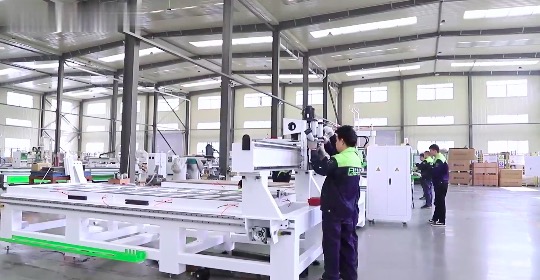
In the world of manufacturing and design, CNC engraving machines play a crucial role in creating intricate designs and precise cuts. However, operating these machines safely is paramount to prevent accidents and ensure efficiency. Based on the safety regulations summarized by engineers from ROCTECH CNC Engraving Machine Company, this article outlines essential guidelines for safe operation. Following these rules not only protects the operator but also enhances the machine's performance and longevity.
First and foremost, maintaining a clean work environment is fundamental. A cluttered workspace increases the risk of accidents, such as tripping over tools or materials. Regularly clearing debris and organizing tools can significantly reduce hazards. Imagine trying to work in a messy room where every step is a potential danger—it's not just inefficient; it's unsafe. By keeping the area tidy, operators can focus better on their tasks and avoid unnecessary distractions that lead to mistakes.
Next, operators must avoid direct physical contact with critical machine components during work. The spindle, power outputs, and controller interfaces are particularly hazardous. Contact with these parts can result in electric shocks or severe injuries. Think of it like touching a live wire—it's a risk no one should take. Always be mindful of your surroundings and ensure you're not inadvertently placing your hands or body near these areas. Safety should be a priority, not an afterthought.
Another critical aspect is managing access to the work area. Unauthorized visitors, including children, must stay at a safe distance during operation. When the machine is running, keep your hands away from the spindle to prevent accidental cuts or entanglement. Once the job is done, remember to turn off the power before leaving the machine unattended. This simple step can prevent unauthorized use and potential accidents. It's like locking your car when you're not inside—it's a basic precaution that goes a long way.
Following the recommended workflow is essential for optimal performance. Operating the machine within the system's guidelines ensures smoother processes and better results. Deviating from these instructions can lead to inefficiencies or even damage the equipment. For instance, sticking to the prescribed sequence of steps helps maintain consistency and accuracy in the engraving process. It's similar to following a recipe—skipping steps or improvising can ruin the final product.
Using the right tools for the job is another key safety measure. Avoid putting small power spindles under excessive strain by assigning them tasks beyond their capacity. Similarly, using incorrect or damaged tools can compromise both safety and quality. Always verify that the tools are suitable for the material and task at hand. It's like using a hammer to tighten screws—it might work, but it's not the right tool for the job and can lead to problems.
Personal attire and accessories also play a role in safety. Loose clothing and jewelry can easily get caught in moving parts, leading to serious injuries. Opt for snug-fitting work clothes and remove any unnecessary accessories. Wearing anti-slip shoes provides stability and reduces the risk of slips and falls. For those with long hair, securing it under a cap or hairnet prevents entanglement with the machine. These precautions might seem small, but they significantly enhance overall safety.
Adhering to these safety guidelines ensures a secure and productive work environment when operating CNC engraving machines. From maintaining a clean workspace to using the right tools and wearing appropriate attire, each rule contributes to preventing accidents and improving efficiency. By integrating these practices into daily routines, operators can protect themselves and others while achieving high-quality results. Safety isn't just a checklist item—it's a mindset that fosters a culture of responsibility and care in the workplace.
Looking for more information about our CNC machines and services? Contact us today.
Contact
Previous:ROCTECH CNC Engraving Machines: Precision, Speed, and Unmatched Quality
Next:A New Year Message from ROCTECH CNC Engraving Machines