
Selecting the Correct Cutting Fluid for Machining Centers
About Us / Author:ROCTECH Engineer Team / Published: Jul 14 , 2026 / Last Updated: Jul 14 , 2026
Abstract
The question of which cutting fluid to use in a machining center is deceptively complex, often reduced to a binary choice between water-miscible and neat oil formulations. In practice, the selection depends on a matrix of variables: workpiece material, tool substrate, machining parameters, and environmental regulations. This article examines the functional requirements of cutting fluids in modern CNC machining centers, presents comparative performance data across common applications, and discusses how improper fluid selection impacts tool life and surface finish.
The Functional Role of Cutting Fluids in Machining Centers
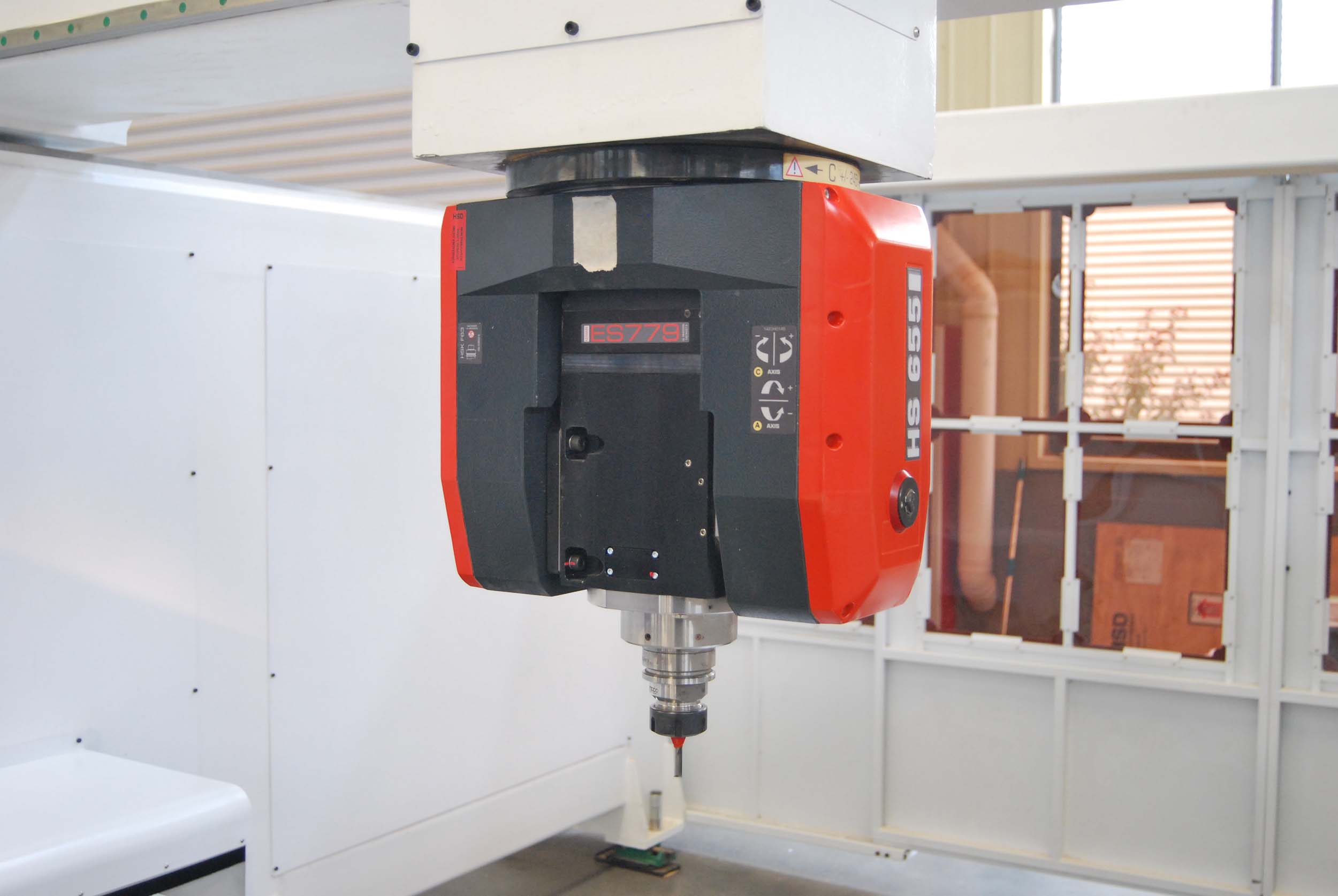
Cutting fluids serve four primary functions in machining center operations: cooling, lubrication, chip evacuation, and corrosion protection. In high-speed operations common in woodworking and non-ferrous metal machining, heat dissipation becomes critical. In harder materials such as steel or stone, lubrication at the tool-workpiece interface dominates.
Modern machining centers, particularly those equipped with automatic tool changers and high-speed spindles, impose additional constraints. The fluid must be compatible with seals, bearings, and coolant delivery systems. Foam formation, bacterial growth, and residue buildup are common failure modes in recirculating systems.
Cutting Fluid Categories and Performance Comparison
The following table summarizes the key performance characteristics of the three main cutting fluid categories used in machining centers:
| Parameter | Water-Miscible (Soluble Oil) | Semi-Synthetic | Neat Oil (Straight Oil) |
|-----------|------------------------------|----------------|-------------------------|
| Cooling Capacity | Excellent (high specific heat) | Good | Poor |
| Lubricity | Moderate | Good | Excellent |
| Typical Concentration | 5-10% | 8-15% | 100% |
| Application | General purpose, ferrous & non-ferrous | Aluminum, aerospace alloys | Hard steels, threading, broaching |
| Tool Life Improvement | 20-40% over dry cutting | 30-50% | 50-100% for demanding ops |
| Maintenance | Requires monitoring of concentration & pH | Moderate | Low (no water evaporation) |
| Cost per Liter (USD) | $2-5 | $4-8 | $8-15 |
Application-Specific Recommendations
Woodworking and Composite Machining
In woodworking centers, such as the Roctech Master Series nesting centers widely used in panel furniture production, water-miscible fluids are rarely employed. Instead, many operators use compressed air or minimal quantity lubrication (MQL) systems. Wood dust combined with liquid coolant creates a sludge that clogs vacuum tables and damages guide rails. For MDF and particleboard, dry cutting with dust extraction is standard. When machining composite materials like Corian or solid surface, a light mist of water-soluble fluid helps prevent heat-induced melting and extends tool life—particularly for diamond-tipped (PCD) tools.
Aluminum and Non-Ferrous Machining
Aluminum poses a unique challenge: it is highly thermally conductive but prone to built-up edge formation. Semi-synthetic fluids at 8-12% concentration provide the optimal balance of cooling and lubricity. High-pressure through-spindle coolant (40-70 bar) is increasingly common in five-axis machining centers, including those from Roctech, to break chips and evacuate them from deep cavities.
Hardened Steel and Mold Machining
For mold-grade steels (HRC 45-60) machined on heavy-duty centers like the Roctech RC2380ATC, neat oil is the preferred choice. Its superior lubricity reduces friction at the tool-chip interface, which is critical when using carbide or ceramic tools at elevated temperatures. The trade-off is poor cooling; operators must reduce cutting speeds or use high-pressure coolant systems to manage thermal deformation.
Case Study: Fluid Selection Impact on Tool Life
A comparative study conducted on a standard CNC machining center processing AISI 4140 steel at 120 m/min cutting speed and 0.15 mm/rev feed rate showed the following:
- Dry cutting: Tool life of 18 minutes, surface roughness Ra 3.2 µm
- Water-miscible (7% concentration): Tool life of 42 minutes, Ra 1.8 µm
- Semi-synthetic (10%): Tool life of 55 minutes, Ra 1.4 µm
- Neat oil: Tool life of 78 minutes, Ra 0.9 µm
While neat oil produced the best results, the 4x cost increase over water-miscible fluid meant the economic breakeven point was reached only when tool costs exceeded $150 per insert.
Emerging Trends and Environmental Considerations
Regulatory pressures are driving a shift toward biodegradable and synthetic formulations. Many European and North American facilities now mandate chlorine-free additives and low-VOC fluids. Roctech, recognizing global market requirements, configures its machining centers with corrosion-resistant stainless
Looking for more information about our CNC machines and services? Contact us today.
Contact
Previous:Optimizing Spindle Maintenance Cycles in CNC Machining: Balancing Uptime and Precision
Next:Plasma Cutting Bevel Compensation: Precision Adjustment for CNC Thermal Cutting Systems