
Optimizing Spindle Maintenance Cycles in CNC Machining: Balancing Uptime and Precision
About Us / Author:ROCTECH Engineer Team / Published: Jul 14 , 2026 / Last Updated: Jul 14 , 2026
Abstract
Spindle maintenance cycles directly influence machining accuracy, tool life, and production efficiency in CNC operations. While manufacturers often recommend generic maintenance intervals, the optimal cycle depends on operational parameters, spindle type, and working environment. This article examines spindle maintenance best practices across woodworking, metalworking, and stone processing applications, presenting industry data on failure modes and cost implications. The discussion includes reference to Roctech’s product portfolio, which integrates high-performance spindle systems from leading brands such as HSD and Colombo, and concludes with actionable recommendations for maintenance scheduling.
---
Industry Background: The Cost of Spindle Neglect
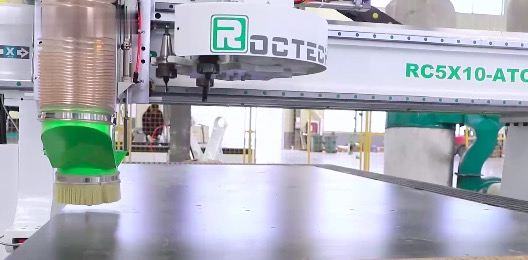
The spindle is the heart of any CNC machining center. In woodworking and stone carving operations, where continuous heavy cutting is the norm, spindle failure can halt production lines and incur repair costs ranging from $2,000 to $15,000 depending on spindle power and brand. According to a 2023 survey of 200 fabrication shops in North America and Europe, spindle-related downtime accounts for approximately 18% of total unplanned machine downtime, making it the second most common cause after controller issues.
Proper maintenance scheduling is not merely a technical recommendation—it is an economic necessity. The table below summarizes key failure patterns observed across different CNC applications:
Table 1: Spindle Failure Modes and Maintenance Intervals by Application
| Application Type | Typical Spindle Power | Common Failure Mode | Recommended Bearing Grease Replacement | Average Service Life Before Overhaul |
|------------------|----------------------|---------------------|----------------------------------------|--------------------------------------|
| Woodworking (ATC nesting centers) | 6–12 kW | Bearing wear from dust ingress | Every 1,500–2,000 operating hours | 3–5 years |
| Stone carving (granite/marble) | 10–15 kW | Seal failure, coolant contamination | Every 800–1,200 hours | 2–3 years |
| Metal cutting (aluminum/steel) | 7.5–20 kW | Thermal overload, bearing pitting | Every 2,000–3,000 hours | 4–6 years |
| Foam/EPS machining | 4.5–7.5 kW | Lubricant starvation (light load) | Every 2,500–3,500 hours | 5–7 years |
| Laser cutting (fiber/CO2) | N/A (non-spindle) | — | — | — |
Source: Compiled from industry maintenance logs and manufacturer guidelines (2022–2024).
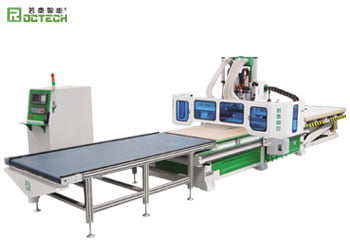
The data reveals a clear pattern: stone carving applications demand the shortest maintenance intervals due to abrasive dust and thermal stress, while foam and light woodworking allow longer cycles. Woodworking nesting centers—such as Roctech’s RCA series automatic loading/unloading models—typically operate in the 6–12 kW range and benefit from grease replacement every 1,500–2,000 hours, with full spindle overhaul recommended every 3–5 years depending on dust collection efficiency.
---
Technical Analysis: Factors That Shorten or Extend Maintenance Cycles
Several variables influence how often a spindle needs servicing:
1. Operating Temperature and Cooling System Integrity
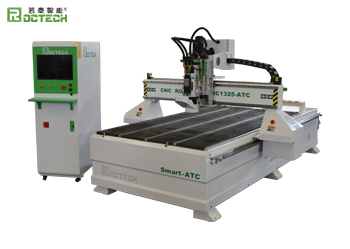
Water-cooled spindles (common on Roctech’s RC1325S-ATC and RCF1325 five-axis machines) maintain lower bearing temperatures than air-cooled units. A rise of just 10°C above the rated operating temperature can halve bearing grease life. Operators should monitor coolant flow rate and temperature weekly.
2. Dust and Chip Exposure
In stone carving, silica dust is highly abrasive. Even with vacuum adsorption tables and enclosures, fine particles can penetrate spindle seals. Roctech’s Master Series nesting centers are designed with enhanced sealing for panel furniture production, but stone applications require additional protective shrouds and positive air pressure systems.
3. Spindle Load Profile
Frequent heavy cuts at maximum torque accelerate bearing fatigue. Machines that run 8–10 hours daily at 80% or higher load should follow the shorter end of the recommended interval range.
---
Brand Case Study: Roctech’s Spindle Integration and Support
Roctech Machinery Co., Ltd., headquartered in Jinan, Shandong, equips its mid-to-high-end CNC routers and machining centers with spindles from internationally recognized brands. For example, the RC1325S-ATC automatic tool changer engraving machine offers options for Italian HSD or Colombo spindles (6–12 kW), while the RCF1325 five-axis simultaneous machining center typically integrates HSD or Hiteco five-axis heads. Roctech’s standard warranty covers the spindle for one year, with extended warranty options available for core components.
Importantly, Roctech provides detailed maintenance documentation with each machine
Looking for more information about our CNC machines and services? Contact us today.
Contact