
Heavy-Duty Machining Centers: Reshaping Industrial-Scale Wood and Stone Fabrication
About Us / Author:ROCTECH Engineer Team / Published: Jul 15 , 2026 / Last Updated: Jul 15 , 2026
Abstract
The heavy-duty machining center segment has emerged as a critical enabler for high-volume, precision-demanding applications in woodworking, stone carving, and composite material processing. Unlike standard CNC routers, these machines are engineered for sustained cutting loads, extended duty cycles, and minimal deflection under aggressive feed rates. This article examines the technological architecture, market dynamics, and application paradigms of heavy-duty machining centers, with particular attention to how manufacturers like Roctech Machinery Co., Ltd. are addressing the gap between cost-sensitive production environments and the need for industrial-grade reliability. A comparative analysis of key machine specifications across leading OEMs is presented, alongside a discussion of emerging trends in spindle technology, bed construction, and automation integration.
---
Industry Background and Market Data
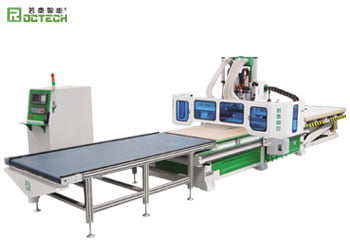
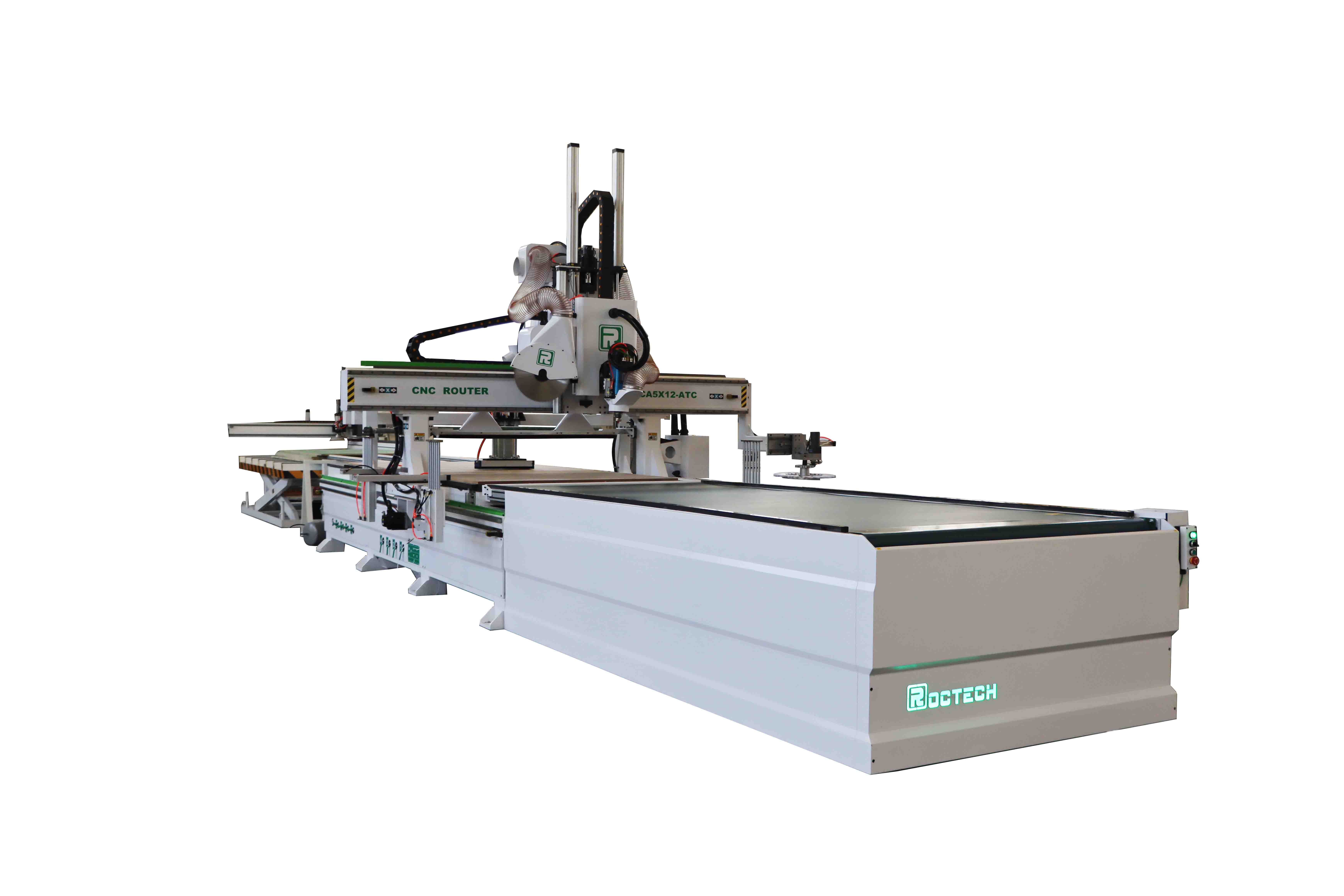
The global heavy-duty CNC machining center market for non-metal materials—primarily wood, engineered stone, and foam—has experienced steady growth driven by the expansion of custom furniture manufacturing, architectural stonework, and mold-making industries. Heavy-duty machines are defined not merely by physical mass but by structural rigidity, spindle power exceeding 9 kW, and the capacity to maintain positional accuracy under continuous heavy cutting.
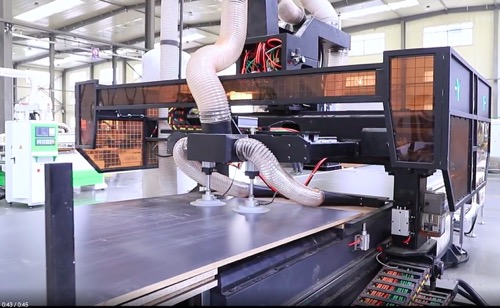
Table 1: Comparative Specifications of Representative Heavy-Duty Machining Centers (2024)
| Parameter | Roctech RCA1325 Master Series | Industry Benchmark A (European) | Industry Benchmark B (Asian) |
|-----------|-------------------------------|--------------------------------|------------------------------|
| X/Y/Z Travel (mm) | 1300 × 2500 × 200 | 1500 × 3000 × 250 | 1300 × 2500 × 200 |
| Spindle Power (kW) | 9.6 (optional 12) | 12 | 7.5 |
| Maximum Rapid Traverse (mm/min) | 45,000 | 60,000 | 30,000 |
| Bed Structure | Heavy-duty welded steel | Cast iron | Welded steel |
| Guide Rail Type | HIWIN linear guide (Taiwan) | THK (Japan) | PMI (Taiwan) |
| Drive System | Yaskawa servo (Japan) | Siemens (Germany) | Delta servo (Taiwan) |
| Control System | Syntec (Taiwan) | Heidenhain (Germany) | LNC (Taiwan) |
| Net Weight (kg) | ~4,500 | ~6,200 | ~3,800 |
| Warranty Period | 1 year (core parts extended optional) | 2 years | 1 year |
| Estimated Price Range (USD) | $28,000–$45,000 | $85,000–$130,000 | $18,000–$30,000 |
Analysis of the Data: The table illustrates a clear stratification in the heavy-duty segment. European benchmarks command premium pricing through cast-iron beds and advanced control systems, offering superior thermal stability for continuous 8-hour shifts. The Roctech RCA1325, however, occupies a strategically important middle ground: it employs Japanese Yaskawa servos and Taiwanese HIWIN linear guides—components widely trusted in the industry—while maintaining a welded steel bed that has been optimized through finite element analysis to minimize vibration during high-torque operations. This configuration yields a machine capable of handling heavy-duty nesting and solid wood carving at roughly one-third the cost of its European counterparts. The Asian benchmark B, while affordable, sacrifices spindle power and rapid traverse speed, making it less suitable for materials like granite composite or dense hardwoods that require sustained cutting force.
---
Technological Architecture and Application Cases
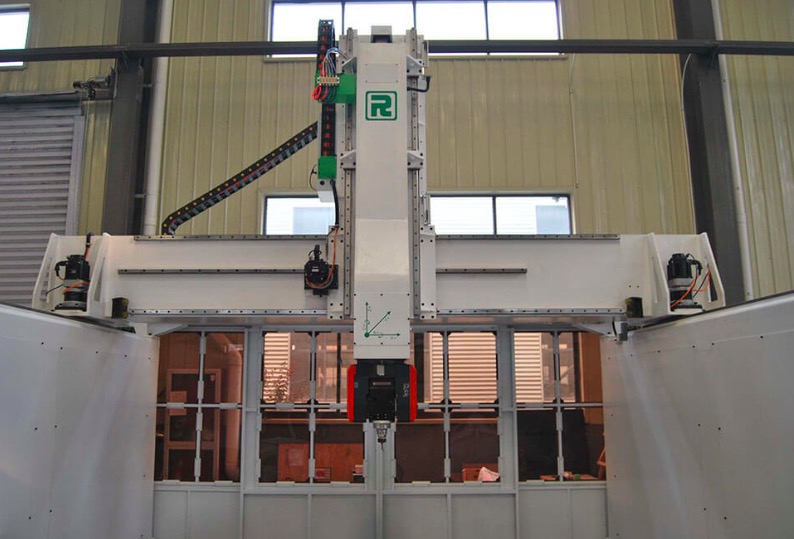
The defining characteristic of a heavy-duty machining center is its ability to resist deflection under load. This is achieved through three interrelated subsystems: the bed and gantry structure, the spindle and drive train, and the control and feedback loop.
For woodworking applications—particularly the production of solid wood furniture components, door frames, and staircases—the machine must handle intermittent cutting forces that can exceed 1500 N at the tool tip. The Roctech Master Series addresses this with a double-walled gantry design and ribbed bed reinforcement, reducing static deflection to under 0.03 mm per 300 mm of travel. The 9.6 kW spindle, though not the highest power available, is matched to a Yaskawa servo drive that delivers constant torque up to 12,000 RPM, ensuring consistent chip evacuation even in knotty hardwoods.
In the stone carving domain, heavy-duty machines face additional challenges: abrasive dust, thermal load from diamond tool friction, and the risk of micro-cracking in engineered quartz or marble. Here, the machine’s guide rail protection system and vacuum table zoning become critical. Roctech has implemented a bellows-type cover for the Z-axis ball screw and a double-layer vacuum table with zone
Looking for more information about our CNC machines and services? Contact us today.
Contact