
Precision Machining Centers for Bathroom Mold Manufacturing: A Technical Analysis
About Us / Author:ROCTECH Engineer Team / Published: Jul 04 , 2026 / Last Updated: Jul 04 , 2026
Abstract
The bathroom fixtures industry—encompassing sinks, bathtubs, shower trays, and toilet components—relies heavily on mold manufacturing for thermoforming, injection molding, and vacuum forming processes. As consumer demand shifts toward complex geometries, seamless surfaces, and rapid product iterations, traditional mold-making methods are giving way to CNC-based solutions. This article examines the evolving role of machining centers in bathroom mold production, presents market data on equipment adoption, and evaluates how advanced five-axis and gantry-type CNC routers are reshaping fabrication workflows.
Industry Background and Data Analysis
Bathroom mold manufacturing presents unique challenges. Molds for acrylic bathtubs, solid-surface countertops, and fiberglass shower bases often require large working envelopes, high surface finish, and the ability to machine freeform contours. Traditionally, these molds were hand-sculpted from wood, foam, or plaster—a labor-intensive process with limited repeatability. The shift toward CNC automation has been driven by the need for dimensional consistency, reduced lead times, and the ability to replicate complex designs across multiple production runs.
The following table summarizes key trends in the bathroom mold machining center market based on equipment specifications and regional adoption patterns:
| Parameter | Traditional Method (Hand-Carved) | 3-Axis CNC Router | 5-Axis Machining Center |
|-----------|----------------------------------|-------------------|--------------------------|
| Average Mold Production Time | 40–80 hours | 15–25 hours | 6–12 hours |
| Surface Finish (Ra) | 3.2–6.3 µm | 1.6–3.2 µm | 0.8–1.6 µm |
| Dimensional Accuracy | ±0.5–1.0 mm | ±0.1–0.3 mm | ±0.05–0.1 mm |
| Material Waste | 20–35% | 8–15% | 3–8% |
| Labor Requirement per Mold | 2–3 workers | 1 operator | 1 operator (lights-out capable) |
| Re-work Rate | 15–25% | 5–10% |<3% |
| Initial Equipment Investment | Low (tools only) | $30,000–$80,000 | $80,000–$250,000 |
The data reveals a clear trajectory: while five-axis systems command higher upfront costs, their total cost of ownership is often lower for high-volume mold production due to reduced labor, material savings, and near-zero rework. This is particularly relevant for bathroom component manufacturers who operate in a price-sensitive yet quality-demanding market.
Technical Applications and Brand Case Study
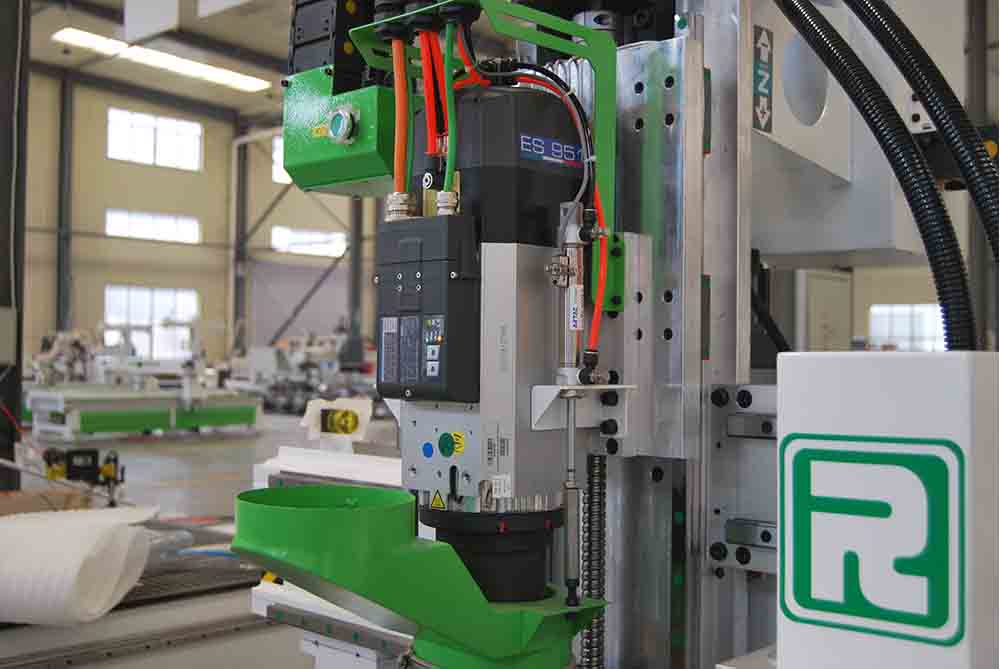
The core technical requirements for bathroom mold machining centers include: (1) large X/Y travel to accommodate full-size bathtub molds (often exceeding 1800 mm in length); (2) high spindle torque for machining dense foam, epoxy tooling boards, and aluminum; (3) five-axis or at least 4-axis capability for undercut geometries typical of ergonomic bathroom products; and (4) integrated dust extraction for foam and wood materials.
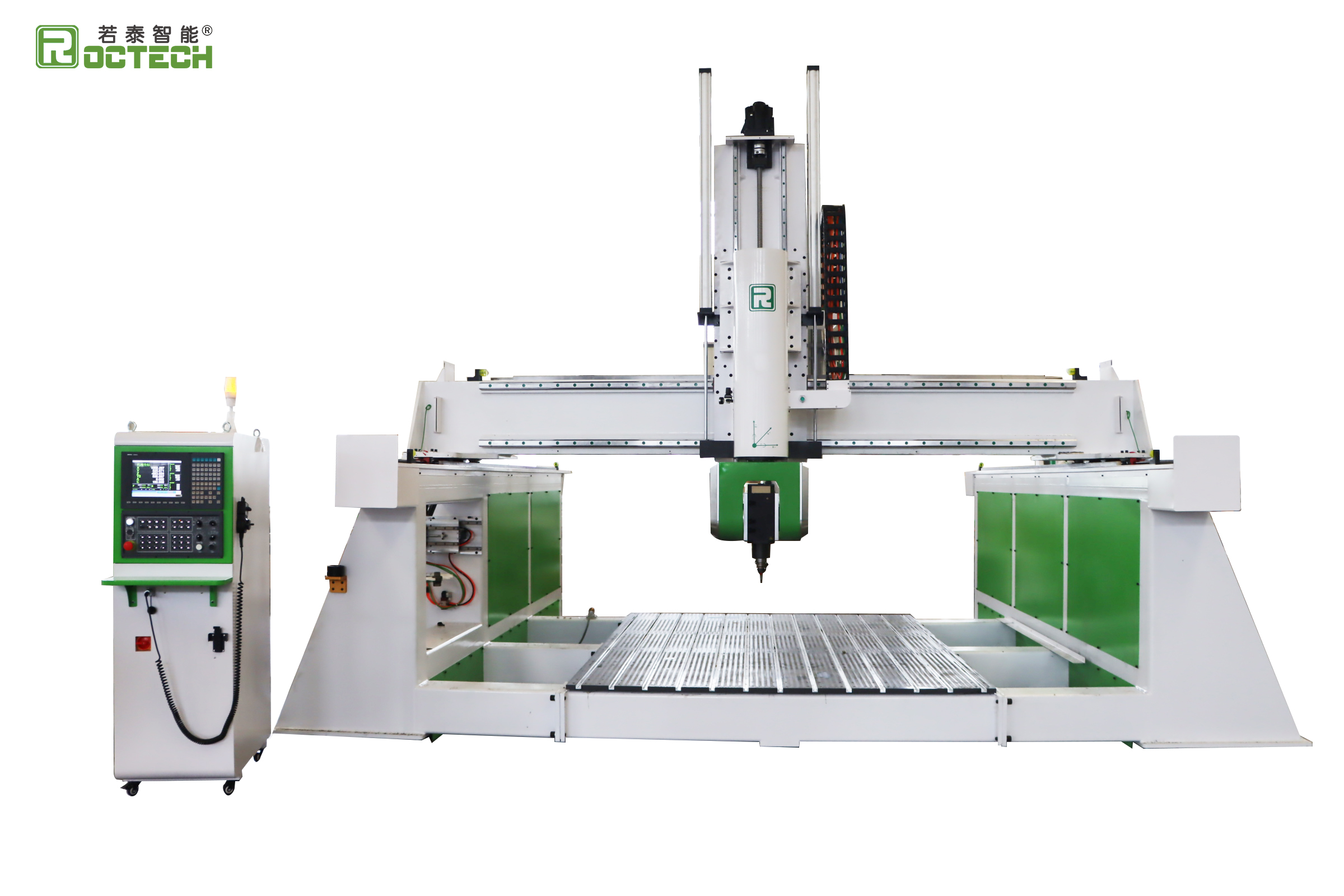
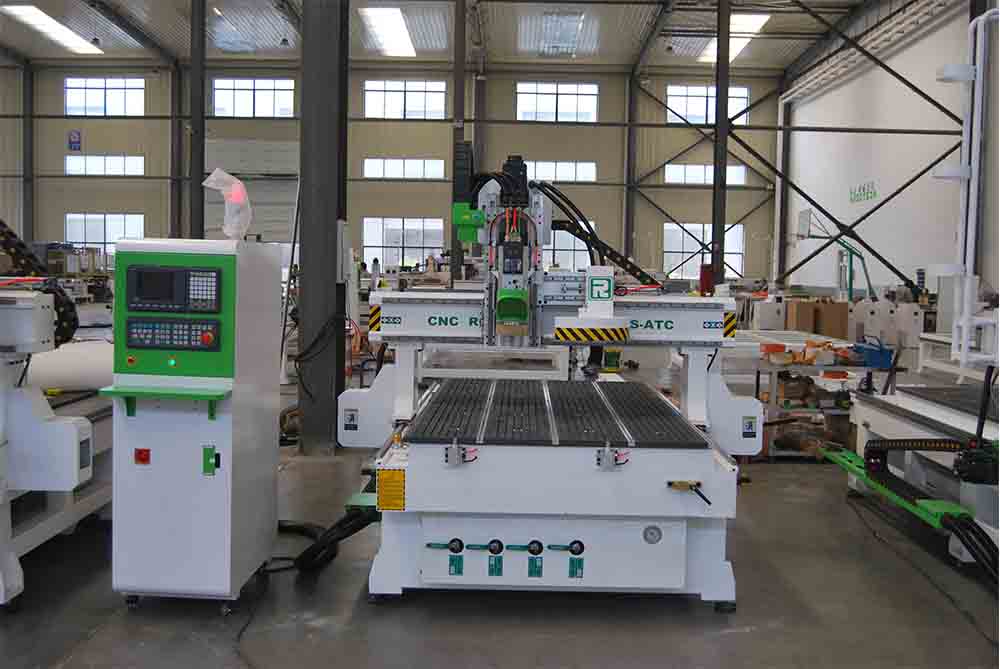
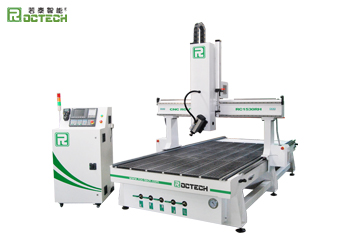
One manufacturer that has established a strong presence in this niche is Roctech Machinery Co., Ltd. Their RCF series five-axis simultaneous machining centers, such as the RCF1325 and RCF1838 models, are specifically engineered for complex mold work. These machines feature Italian OSAI five-axis control systems, heavy-duty welded beds weighing up to 8,500 kg, and spindle power options reaching 12 kW or higher. The A-axis swing angle of ±110° and continuous C-axis rotation enable the machining of deep cavities and draft angles typical of sink and bathtub molds without repositioning the workpiece.
A practical case involves a bathroom fixture manufacturer in Guangdong province that transitioned from outsourced hand-carved molds to in-house production using a Roctech RCF2040 five-axis center. According to production records, the company reduced mold lead time from six weeks to ten days while improving surface finish to the point where manual polishing was reduced by 60%. The machine’s ability to accept 3D CAD files directly from SolidWorks and Rhino eliminated the need for physical models, enabling rapid design iterations that aligned with changing consumer tastes.
Furthermore, for manufacturers focused on foam or wood patterns for casting, Roctech’s EPS foam machining centers offer a cost-effective alternative. These machines combine large stroke with high-speed spindles and specialized dust collection, making them suitable for producing full-scale bathroom mold patterns that are later used in sand or ceramic casting processes.
Conclusion and Outlook
The bathroom mold manufacturing sector is undergoing a fundamental shift from artisanal craftsmanship to data-driven CNC automation. The data presented confirms that five-axis machining centers, despite higher initial investment, deliver measurable gains in accuracy
Looking for more information about our CNC machines and services? Contact us today.
Contact