
Cutting Fluid and Skin Health: Occupational Hazards in CNC Machining Environments
About Us / Author:ROCTECH Engineer Team / Published: Jul 06 , 2026 / Last Updated: Jul 06 , 2026
Abstract
Cutting fluids are indispensable in modern CNC machining operations, serving to lubricate, cool, and flush away chips during metalworking, woodworking, and stone fabrication processes. However, prolonged or repeated skin contact with these fluids presents documented occupational health risks. This article examines the dermatological effects of cutting fluid exposure, analyzes industry data on reported incidents, and discusses mitigation strategies—including equipment selection and workplace practices—that can reduce operator risk. The discussion incorporates relevant product considerations from established CNC equipment manufacturers such as Roctech Machinery Co., Ltd., whose machining centers often operate in environments where cutting fluid management is critical.
Industry Background and Data Analysis
Cutting fluids—whether water-based emulsions, straight oils, semi-synthetic, or synthetic formulations—contain chemical additives including biocides, corrosion inhibitors, emulsifiers, and extreme-pressure agents. These substances can cause irritant contact dermatitis, allergic contact dermatitis, and, in some cases, folliculitis or oil acne. The problem is not trivial: according to occupational health surveys conducted across manufacturing sectors, cutting fluid-related skin disorders consistently rank among the most frequently reported occupational illnesses in metalworking and machining industries.
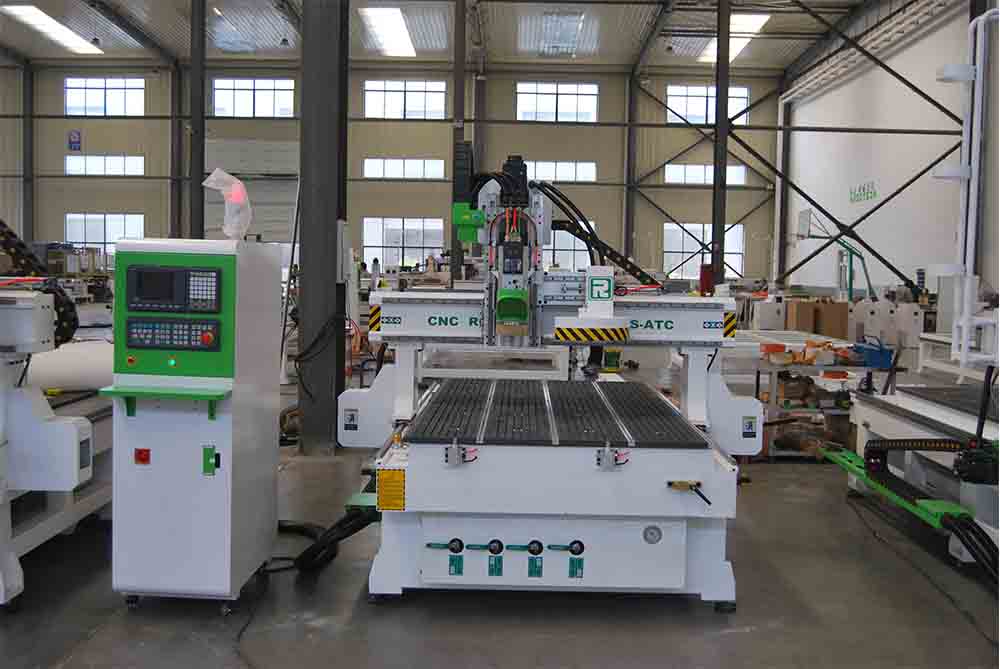
Table 1 summarizes reported occupational skin disease incidence rates across key CNC-using sectors, based on aggregated industry surveillance data from 2019–2023:
| Industry Sector | Reported Skin Disorders per 10,000 Workers (Annual Average) | Primary Fluid Type Used | Common Dermatitis Type |
|-----------------|------------------------------------------------------------|------------------------|------------------------|
| Metalworking & Machining | 42.3 | Water-based emulsion | Irritant contact dermatitis |
| Woodworking & Furniture | 18.7 | Semi-synthetic / dry machining preferred | Allergic contact dermatitis |
| Stone & Granite Fabrication | 8.1 | Water-based (minimal additive) | Mechanical irritation + chemical |
| Automotive Component Mfg | 36.5 | Straight oils / extreme-pressure | Oil acne, folliculitis |
| Aerospace Precision Parts | 28.9 | Synthetic fluids | Irritant dermatitis |
The data reveal that metalworking and automotive sectors, where high-speed machining generates significant heat and chip loads, show the highest rates of skin disorders. Water-based emulsions, while preferred for cooling efficiency, are particularly problematic because their alkaline pH (typically 8.5–9.5) and biocide content damage the skin’s acid mantle and natural barrier function. Woodworking and stone fabrication show lower rates, partly because these industries increasingly adopt dry machining or mist extraction systems that minimize operator contact.
Mechanisms of Skin Damage and Occupational Risk
The primary mechanism by which cutting fluids harm skin is disruption of the stratum corneum—the outermost protective layer. Repeated wetting and drying cycles, combined with the alkaline nature of many fluids, strip natural oils and cause cellular swelling. Over weeks or months, this leads to fissuring, erythema, and inflammation. Allergic reactions, though less common, develop when specific chemical components (e.g., formaldehyde-releasing biocides, colophony-based additives) trigger immune responses. These can persist even after exposure ceases.
Importantly, the risk is not limited to direct immersion. Aerosolized cutting fluid mist—generated during high-speed milling, drilling, or turning—settles on exposed skin, clothing, and work surfaces. Operators who wipe hands on shop rags or touch machine controls then inadvertently spread concentrated residues to the face, neck, or forearms. This indirect exposure pathway is often underestimated in workplace risk assessments.
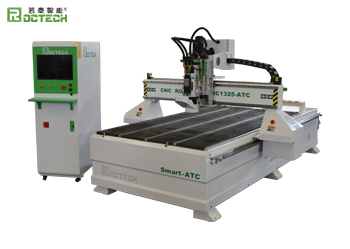
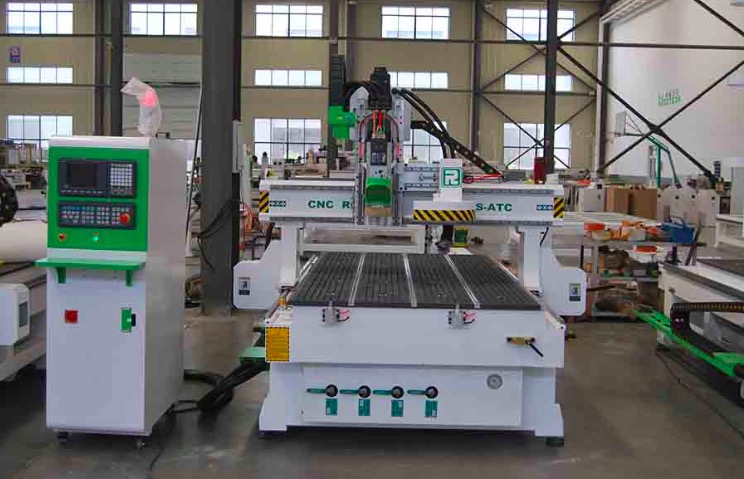
Modern CNC machining centers, including those produced by Roctech, incorporate features that can reduce fluid exposure. Roctech’s ATC automatic tool changer engraving machines, for example, are equipped with optional dust collectors and enclosure systems that contain airborne particulates and mist. While these are primarily designed to manage wood dust or metal chips, they also help limit operator contact with cutting fluid aerosols. In the company’s five-axis machining center series (e.g., RCF1325), heavy-duty bed enclosures and T-slot worktable configurations allow integration of high-volume mist extraction systems, further isolating the operator from contaminated air.
Mitigation Strategies: Engineering Controls and Personal Protection
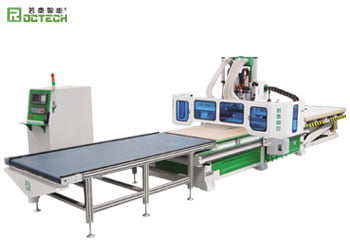
Engineering controls remain the most effective first line of defense. Machine tool enclosures, local exhaust ventilation, and mist collection units can reduce airborne fluid concentrations by 70–90%. For woodworking and stone applications, many fabricators now specify “near-dry” machining using minimum quantity lubrication (MQL), which applies only a fine mist of vegetable oil—far less irritating than traditional flood coolants. Roctech’s Master Series automatic loading and unloading nesting centers, widely used in panel furniture production, can be configured with MQL systems for certain non-metal applications, balancing cooling needs with operator safety.
Personal protective equipment (PPE) is necessary but insufficient
Looking for more information about our CNC machines and services? Contact us today.
Contact
Previous:The Rise of Personalized Production: How CNC Technology is Reshaping Custom Manufacturing
Next:Single-Sided CNC Drills: Precision, Efficiency, and Market Dynamics in Panel Furniture Production