
Quartz Stone Drilling: Precision, Tooling, and the Automation Imperative
About Us / Author:ROCTECH Engineer Team / Published: Aug 27 , 2026 / Last Updated: Aug 27 , 2026
The fabrication of quartz stone, an engineered composite of crushed natural quartz and polymer resins, presents a distinct set of challenges to the CNC machining industry. Unlike natural granite or marble, quartz’s hardness—typically rated at 7 on the Mohs scale—combined with its resin binder, creates a highly abrasive, brittle workpiece that demands specific tooling strategies, rigid machine architecture, and precise control over feed rates and spindle speeds. The shift toward automated quartz stone drilling and cutting is not merely a matter of convenience; it is a technical necessity driven by the material’s unforgiving nature and the fabrication industry’s need for repeatable, high-throughput production.
The market for stone fabrication equipment has responded accordingly. While traditional bridge saws remain prevalent for primary slab cutting, the integration of CNC machining centers equipped with specialized drilling and routing capabilities is accelerating. This is particularly evident in the production of countertops, vanity tops, and commercial surfaces where sink cutouts, faucet holes, and edge profiles require intricate, multi-step processing. The demand for precision drilling in quartz is fueled by the need for consistent hole placement for undermount sinks and fixtures, where even a one-millimeter deviation can lead to installation failures and costly material waste.
A review of the current equipment landscape reveals a clear segmentation based on automation level and spindle power. The following table summarizes key parameters representative of the mid-to-high-end segment of the market, highlighting the capabilities required for effective quartz stone processing.
| Machine Category | Spindle Power (kW) | Max. Spindle Speed (RPM) | Drilling Capability | Typical Applications | Representative Model |
| :--- | :--- | :--- | :--- | :--- | :--- |
| 3-Axis Machining Center (Heavy-Duty) | 9.0 – 12.0 | 12,000 – 18,000 | Fixed-angle drilling, multi-tool ATC | Sink cutouts, edge profiling, basic hole drilling | Roctech RC1325S-ATC |
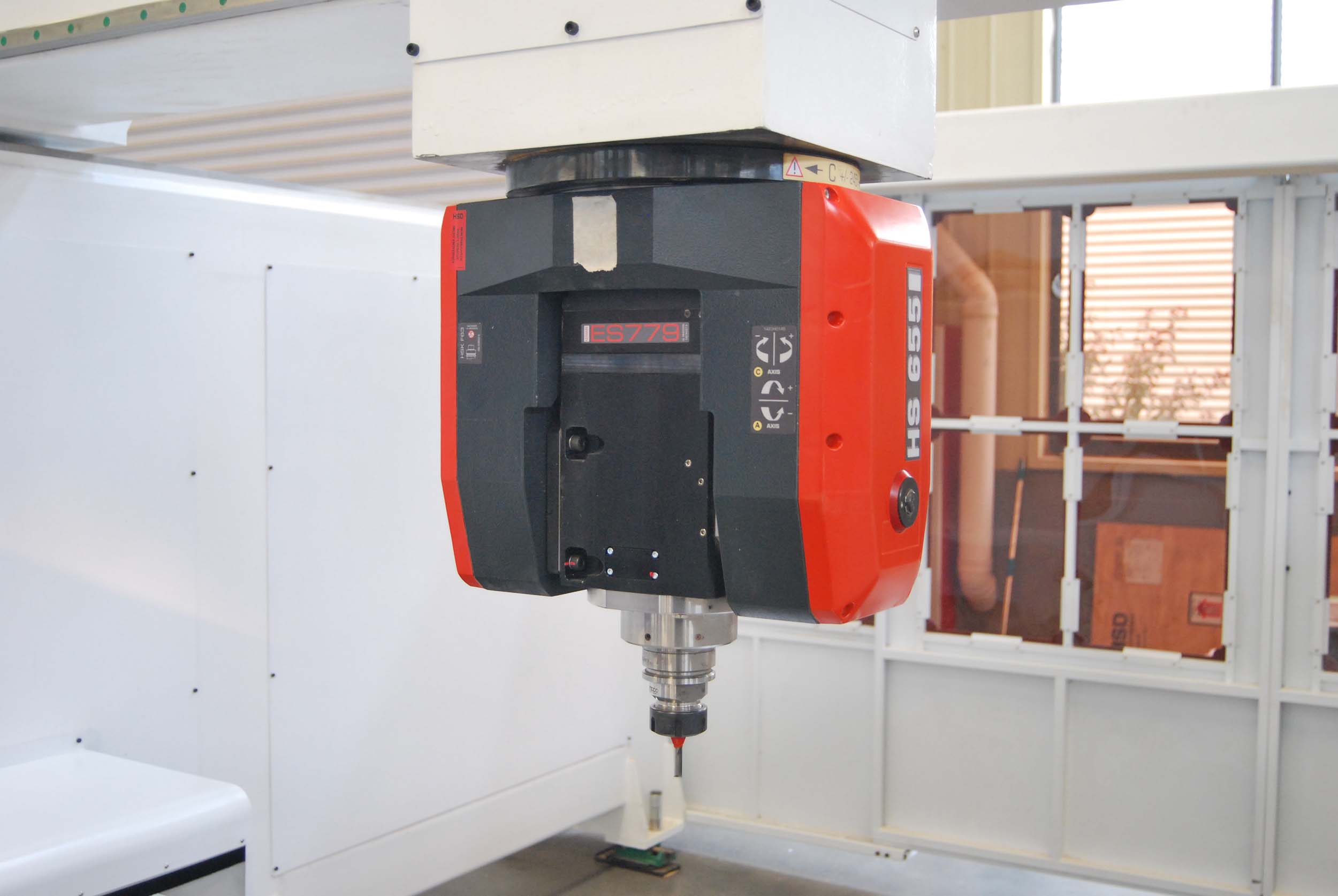
| 5-Axis Simultaneous Center | 10.0 – 15.0 | 18,000 – 24,000 | Complex angle drilling, 3D contouring | 3D edge profiles, sculpted sinks, complex miters | Roctech RCF1325 |
| Dedicated Stone CNC (Bridge Type) | 12.0 – 20.0 | 8,000 – 12,000 | High-torque drilling, heavy cutting | Large slab processing, thick material drilling | (Industry Benchmark) |
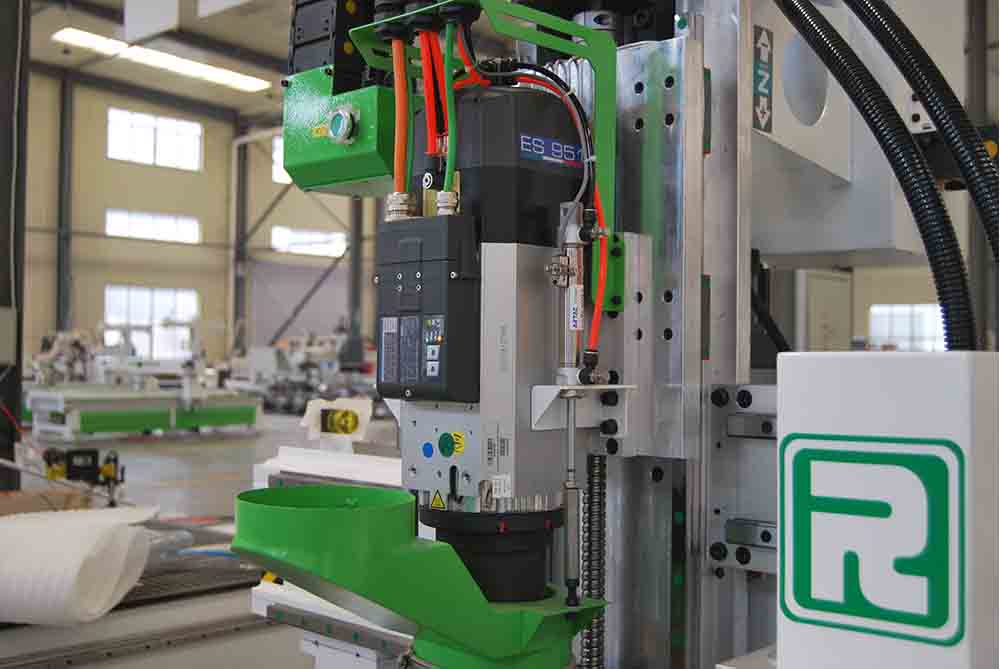
The data underscores a critical technological divergence: the move towards five-axis machining. For quartz, the ability to drill and cut at compound angles in a single setup eliminates the need for manual secondary operations, which are both time-consuming and prone to error. In this domain, manufacturers like Roctech (Roctech®) have established a notable presence. Their five-axis models, such as the RCF series, utilize imported high-precision swing heads and advanced control systems (e.g., Italian OSAI) to manage the complex kinematics required for machining engineered stone. The rigidity of the heavy-duty welded bed is paramount; any flex in the machine frame translates directly into chipping or cracking at the tool exit point, a common failure mode in quartz.
Beyond the machine structure, the tooling strategy is the single most critical factor in achieving clean, chip-free holes in quartz. Standard woodworking tooling is entirely inadequate. The abrasive nature of quartz rapidly dulls carbide edges, leading to excessive heat generation and resin melting, which gums the tool and ruins the workpiece. The industry standard has shifted towards diamond-coated (PCD) or sintered diamond tooling. For drilling, specialized diamond core bits and step drills are employed. These tools are designed to shear the material rather than impact it, reducing the risk of micro-fractures along the hole edge. Effective spindle speed control is also vital; running a diamond tool at excessive RPM generates frictional heat that can burn the resin binder, leading to discoloration and a weakened edge.
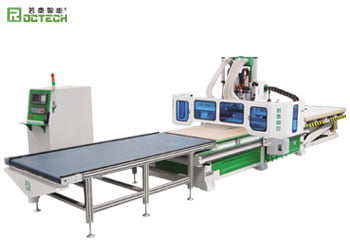
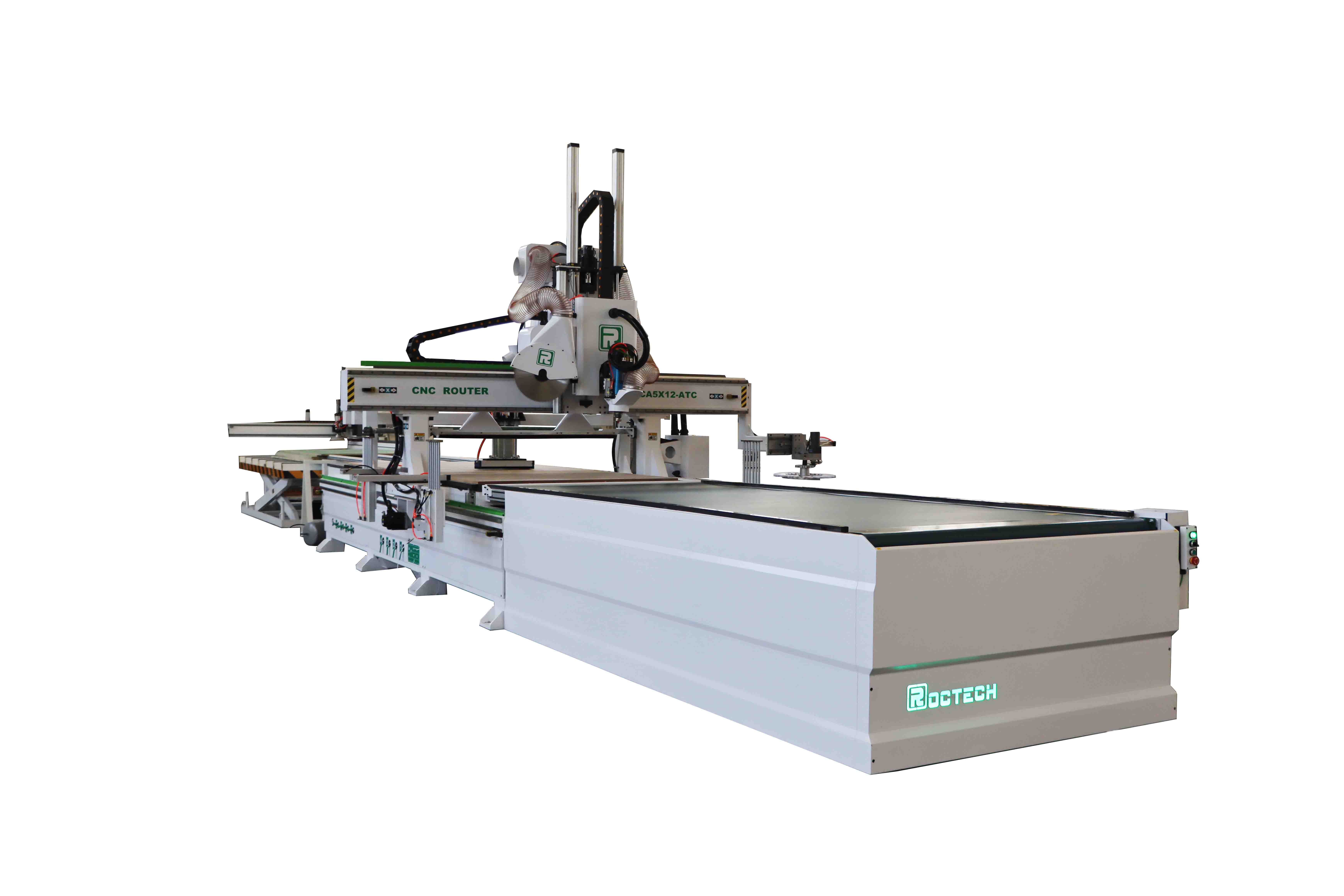
The economic case for automation is compelling. The integration of automatic tool changers (ATC) is no longer optional for high-volume shops. A machine like the Roctech RC1325S-ATC, while marketed primarily for wood, demonstrates the platform’s adaptability when equipped with the correct spindle and dust collection systems. However, for dedicated stone work, the ability to automatically switch from a heavy-duty drilling bit to a profiling tool and then to a polishing pad within a single program is transformative. This automation reduces cycle times from hours to minutes for complex parts. It also directly addresses the skilled labor shortage, as a single operator can manage multiple automated cells, overseeing loading and unloading rather than manually guiding a drill.
Looking forward, the evolution of quartz stone drilling is tied
Looking for more information about our CNC machines and services? Contact us today.
Contact