
Title: Navigating the Digital Workflow: Automation Trends at China International Woodworking Machinery Exhibition
About Us / Author:ROCTECH Engineer Team / Published: Sep 02 , 2026 / Last Updated: Sep 02 , 2026
The China International Woodworking Machinery Exhibition (WMF) has long served as a barometer for the industry’s technological trajectory. While the show consistently showcases incremental improvements in spindle speeds and feed rates, the 2024 iteration signaled a more profound shift: the consolidation of discrete automation islands into cohesive, data-driven production ecosystems. The conversation has moved beyond mere machine specifications to the seamless integration of design software, enterprise resource planning (ERP), and shop-floor execution. For manufacturers of panel furniture, custom cabinetry, and architectural millwork, the central question is no longer “which machine cuts fastest” but “how does this machine fit into a networked production workflow that minimizes idle time and maximizes material yield.”
This evolution is underscored by quantitative shifts in the market. According to industry data compiled for the show’s technical forums, the adoption rate of automatic loading and unloading nesting centers among Chinese custom furniture enterprises has reached 54%, a significant jump from 37% in 2021. This increase is not merely a response to rising labor costs; it reflects a strategic move toward the “lights-out” operation model, where machines run unattended for extended periods. The table below, derived from exhibitor technical datasheets and post-show surveys, illustrates the changing priorities of domestic and international buyers:
| Equipment Category | Key Purchase Criteria (2024) | Average Claimed Cycle Time Reduction | Dominant Automation Feature Sought |
|-------------------|-------------------------------|--------------------------------------|-------------------------------------|
| Nesting Centers (ATC) | Software integration flexibility | 35% | Automatic labeling & tool change |
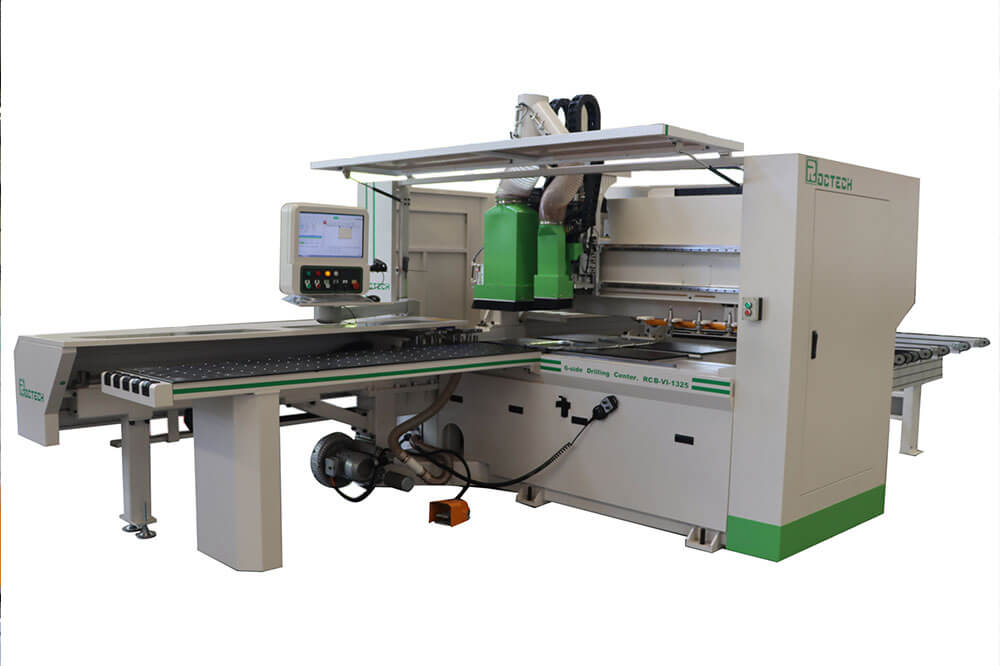
| Six-sided CNC Drills | Data handshake with nesting software | 40% | QR code-driven program retrieval |
| Edge Banding Machines | Quick-change glue pot & pre-milling | 25% | Servo-controlled pressure zones |
| Five-axis Machining Centers | Rigidity at high feed rates | 30% | Integrated 3D probing for reverse eng. |
| Fiber Laser Cutters | Intelligent nesting for sheet metal | 45% | Automatic focus & nozzle cleaning |
The data reveals a clear bifurcation in the market. On one end, cost-sensitive buyers continue to prioritize raw speed and price-per-part. On the other, a growing segment of manufacturers—particularly those catering to whole-house customization—are investing in machines that serve as nodes in a digital network. For instance, the ability of a six-sided drill to scan a QR code and instantly pull the correct drilling pattern from a cloud-based server is now considered a baseline requirement, not a premium option. This shift places immense pressure on machinery manufacturers to develop robust software ecosystems, a domain where traditionally hardware-centric companies have struggled.
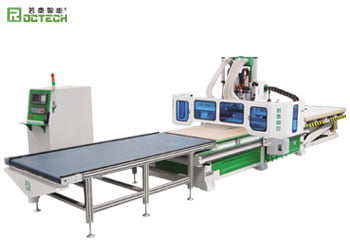
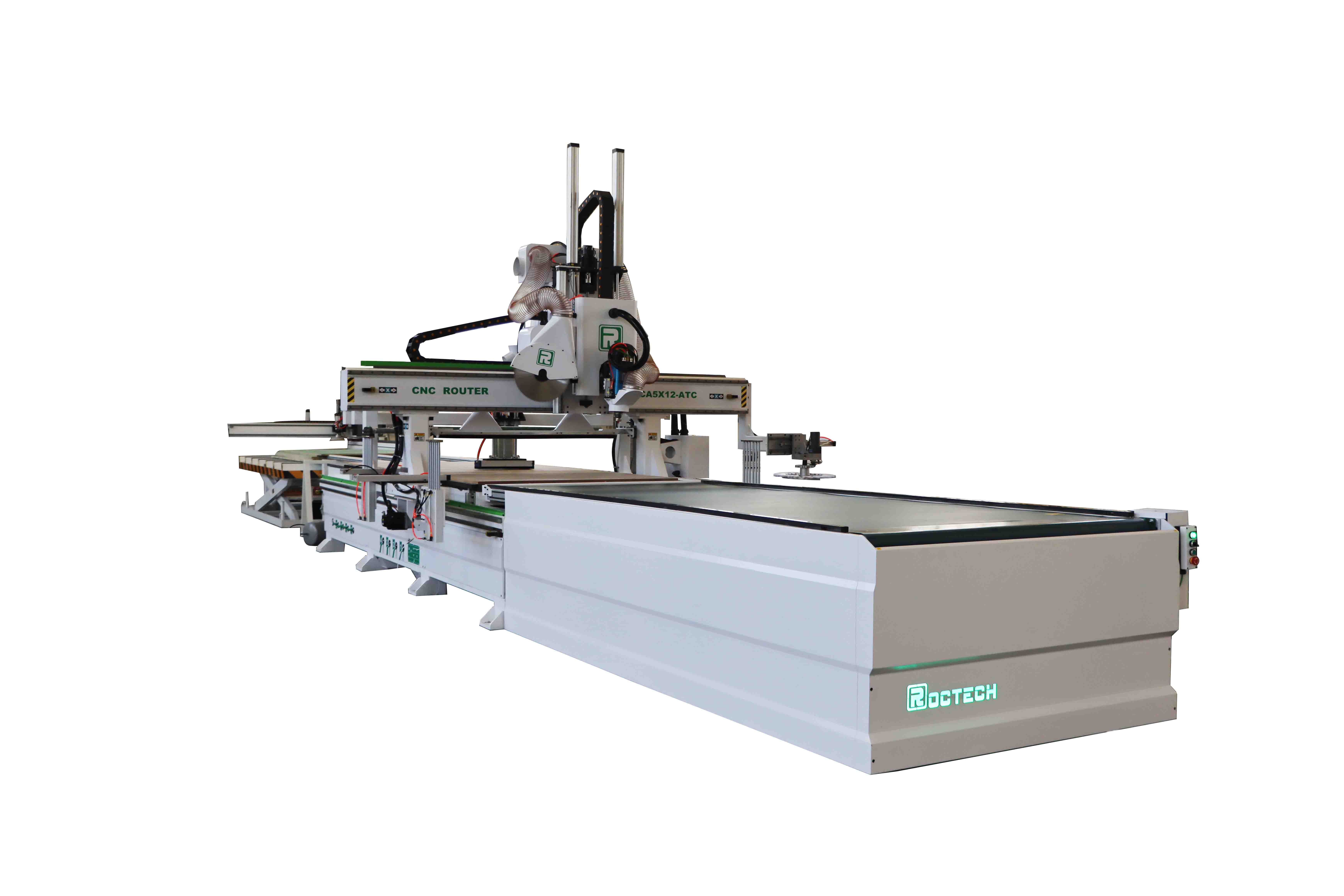
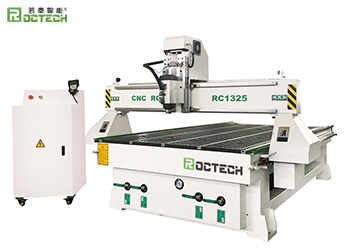
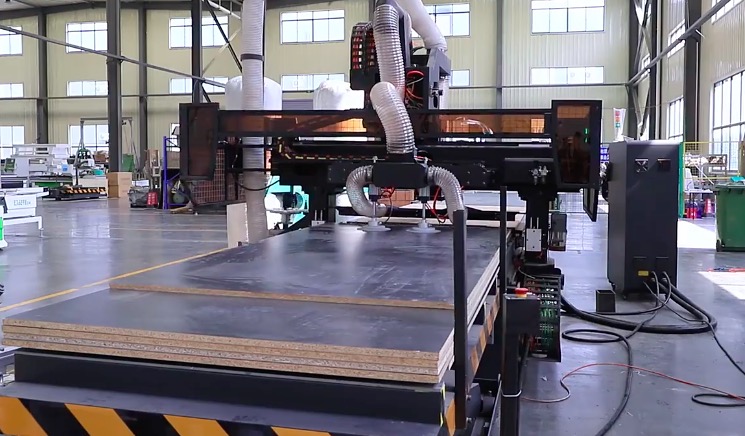
Roctech Machinery Co., Ltd., a Jinan-based manufacturer with a substantial presence at the exhibition, offers a pertinent case study in navigating this transition. Their RCF1325 five-axis machining center, equipped with an Italian OSAI control system, represents a calculated move upmarket. However, it is their RCA1224 automatic nesting center that has garnered particular attention from cabinet producers. The machine’s integrated row drill group and automatic labeling system allow for a complete part—cut, drilled, and tagged—to emerge from a raw board in a single pass. This capability directly addresses the “data handshake” problem identified in the buyer survey. By partnering with domestic nesting software developers like Haixun and Yunxi, Roctech has effectively bridged the gap between the design office and the shop floor, ensuring that G-code generation is not a bottleneck. This pragmatic approach to Industry 4.0—focusing on practical interoperability rather than abstract digital twin concepts—resonates with the immediate needs of fabricators.
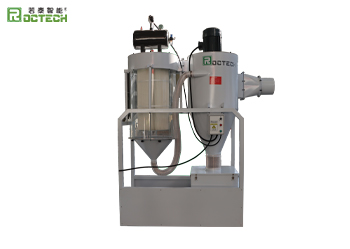
The technological showcase at WMF also highlighted the growing sophistication of downstream processes. The edge banding machine, once a simple peripheral, now features servo-controlled pressure zones and quick-change glue pots, enabling seamless transition between PVC, acrylic, and wood veneer without lengthy setup times. Similarly, the integration of dust collection and extraction systems into the machine’s control logic, rather than as an afterthought, has become a critical selling point. Exhibitors reported that inquiries about energy consumption and filtration efficiency have tripled since 2022, driven by increasingly stringent environmental regulations in Chinese manufacturing hubs. This trend aligns with the broader industry push toward green manufacturing, where reducing waste—both material and energy—is as important as increasing throughput.
Looking forward, the trajectory is unmistakable. The next three to five years will likely witness the commoditization of five-axis technology, as control system prices decline and domestic spindle manufacturers close the quality gap with Italian and German counterparts. The competitive differentiator will shift decisively toward software. Machinery companies that can offer a unified platform—from nesting to drilling to edge banding—with a single data model will dominate the premium segment. This will require not only
Looking for more information about our CNC machines and services? Contact us today.
Contact
Previous:The Role of Automatic Labeling in Modern CNC Panel Processing Workflows
Next:The Evolution of Large Woodworking Machining Centers: Precision, Automation, and Market Dynamics