
The Evolution of Broaching in CNC Machining Centers: Precision, Productivity, and Process Integration
About Us / Author:ROCTECH Engineer Team / Published: Sep 07 , 2026 / Last Updated: Sep 07 , 2026
Broaching has long been regarded as one of the most efficient metal-removal processes for producing precise internal and external geometries—keyways, splines, serrations, and other complex profiles. Historically, the process demanded dedicated broaching machines, specialized tooling, and significant setup investments. However, the integration of broaching capabilities into CNC machining centers represents a paradigm shift, offering manufacturers a path to consolidate operations, reduce cycle times, and enhance workpiece accuracy without the capital expenditure of standalone machinery.
As manufacturing systems evolve toward greater flexibility and lights-out automation, the confluence of advanced control architectures, rigid machine structures, and sophisticated tooling systems has enabled the CNC machining center to become a viable platform for broaching operations. This article examines the technical drivers behind this trend, explores the inherent challenges, and analyzes market data reflecting the growing adoption of this hybrid capability.
Industry Background: The Drive Toward Process Consolidation
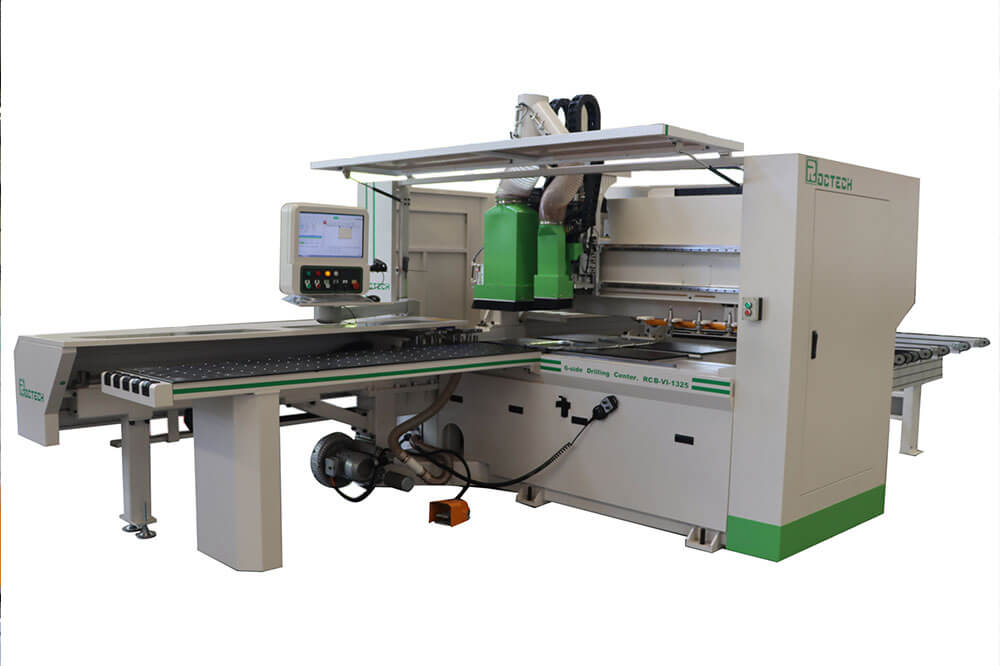
The modern fabrication environment—whether in automotive, aerospace, energy, or general engineering—consistently demands reductions in manufacturing cost per part, tighter geometrical tolerances, and shortened lead times. Traditional process planning often routes parts through separate milling, drilling, and broaching operations. Each transfer between machines introduces non-value-added time, potential fixturing errors, and logistical complexity.
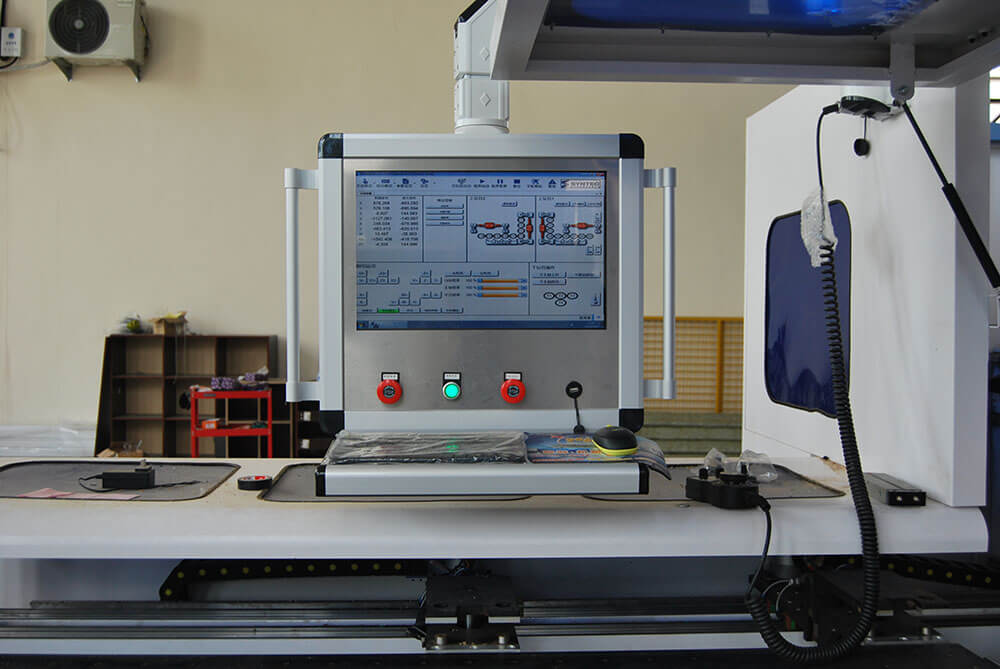
Integrating broaching into a CNC machining center eliminates these transfer steps. A workpiece can be milled, drilled, tapped, and broached within a single setup. This approach, commonly termed "complete machining," not only ensures superior datum consistency but also significantly reduces work-in-progress inventory.
The technical feasibility of broaching on a machining center depends on several factors: sufficient spindle torque at low rotational speeds, machine rigidity to withstand the significant axial cutting forces, and CNC capabilities that allow precise linear axis interpolation synchronized with spindle orientation. Modern machining centers equipped with high-torque spindles and rigid linear guideways are increasingly capable of performing light to medium broaching tasks, particularly for internal keyways and small splines.
Data Analysis: Market Adoption and Economic Rationale
The following table consolidates representative data on the adoption of multi-functional CNC machining platforms that support broaching or similar linear cutting operations, alongside traditional dedicated broaching machines. The figures illustrate the shifting preference towards flexible machining centers, especially among small and medium-sized enterprises (SMEs).
| Process Platform | Typical Setup Time (hrs) | Avg. Cost per Unit (USD) – Low Volume (100 pcs) | Avg. Cost per Unit (USD) – High Volume (5000 pcs) | Key Advantage | Primary Limitation |
| :--- | :--- | :--- | :--- | :--- | :--- |
| Dedicated Broaching Machine | 4.5 | $58 | $9.5 | High production rate per cycle | High capital cost; no flexibility for other operations |
| CNC Machining Center with Broaching Capability | 2.0 | $47 | $12.8 | Process consolidation; flexible scheduling; lower capital expenditure | Limited broaching stroke length; potential for tool vibration |
| Multi-tasking Turn-Mill Center (with broaching function) | 2.8 | $52 | $11.0 | Complex geometries in one fixture; excellent for rotational parts | High machine cost; programming complexity |
Analysis: The data reveals a clear economic crossover. For low-volume production runs, the CNC machining center with broaching capability exhibits a distinct cost advantage over dedicated broaching machines, primarily due to reduced setup times and the elimination of inter-machine logistics. The cost per unit is substantially lower—a 19% reduction compared to dedicated machines in this scenario. However, as production volume escalates, dedicated broaching machines regain economic dominance. At 5,000 units, the dedicated platform achieves a significantly lower cost per unit due to its optimized cycle time and continuous operation.
This bifurcation suggests that the integration of broaching into CNC machining centers is not aimed at replacing high-volume dedicated broaching lines but rather at serving the growing demand for mid-volume, high-mix production. In such environments, machine flexibility and reduced work-in-progress are often more critical than the absolute minimum cycle time. Furthermore, the capital expenditure for a machining center is amortized across a broader range of tasks, improving overall return on investment for contract manufacturers.
Technical Implications and Tooling Solutions
Executing a broaching cycle on a CNC machining center is not a simple procedure. Unlike a dedicated broaching machine, where the broach is pulled or pushed through the workpiece in a single continuous stroke, a machining center typically employs a "peck broaching" or "plunge broaching" strategy. This method involves the tool entering the workpiece along the Z-axis to a predetermined depth, then retracting, indexing, and repeating the cycle until the full profile is cut. While effective
Looking for more information about our CNC machines and services? Contact us today.
Contact
Previous:CNC Five-Sided Drilling Centers: Reshaping Panel Furniture Production
Next:Not