
Safety Operation Procedures for Woodworking CNC Machinery: A Technical Perspective
About Us / Author:ROCTECH Engineer Team / Published: Jul 22 , 2026 / Last Updated: Jul 22 , 2026
Abstract
The integration of CNC technology into woodworking has dramatically improved productivity and precision, yet it has also introduced new categories of operational risks. This article examines the established safety protocols for woodworking CNC routers, nesting centers, and machining centers, with a focus on pre-operation inspection, interlock systems, and emergency response. Drawing on industry standards and real-world equipment configurations, the discussion highlights how manufacturers like Roctech have embedded safety features into their machine designs, and presents a comparative analysis of safety-related parameters across common model classes.
Industry Background and Safety Data
Woodworking CNC machinery operates at spindle speeds exceeding 24,000 RPM and feed rates up to 45,000 mm/min. At these velocities, even minor procedural lapses can result in serious injury or equipment damage. According to data compiled from industry incident reports and machine tool safety audits, the most frequently cited causes of accidents in CNC woodworking operations are:
1. Failure to secure workpieces properly (vacuum loss or improper clamping)
2. Bypassing safety interlocks or limit switches
3. Inadequate chip and dust evacuation leading to fire hazards
4. Tool ejection due to improper collet tightening or spindle runout
5. Unauthorized entry into the machining area during automatic cycles
The following table summarizes key safety-related parameters for three representative classes of woodworking CNC machines, based on specifications from leading manufacturers:
| Machine Class | Typical Spindle Power (kW) | Max Feed Rate (mm/min) | Standard Safety Features | Recommended Operator Distance (m) |
|---------------|---------------------------|------------------------|--------------------------|----------------------------------|
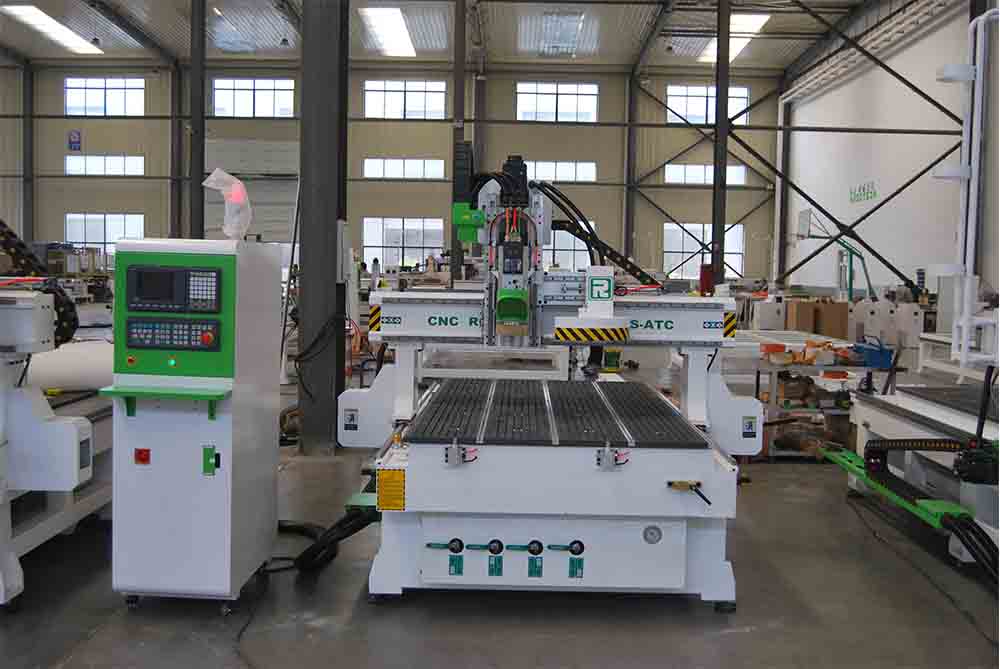
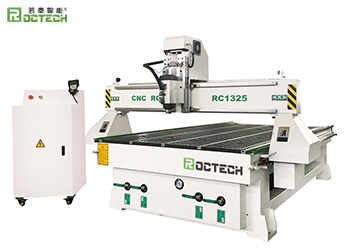
| 3-axis ATC Router (e.g., RC1325S-ATC) | 9.0 | 30,000 | Emergency stop, limit switches, chip guard, vacuum interlock | ≥ 1.5 |
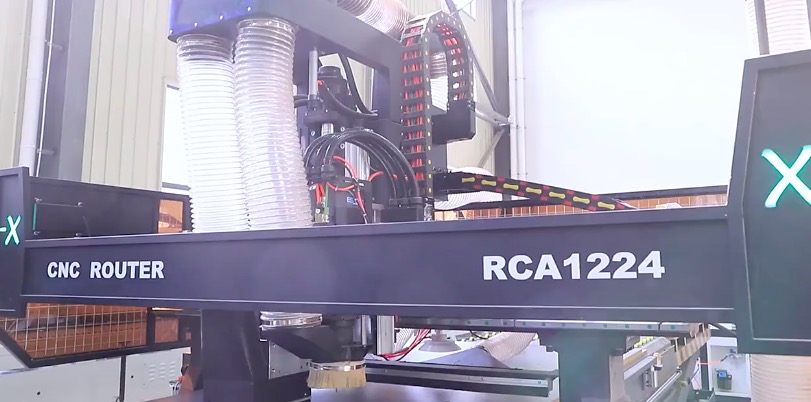
| Automatic Nesting Center (e.g., RCA1224) | 9.6 | 45,000 | Full enclosure, dual E-stop, automatic loading zone light curtain, spindle overload protection | ≥ 2.0 |
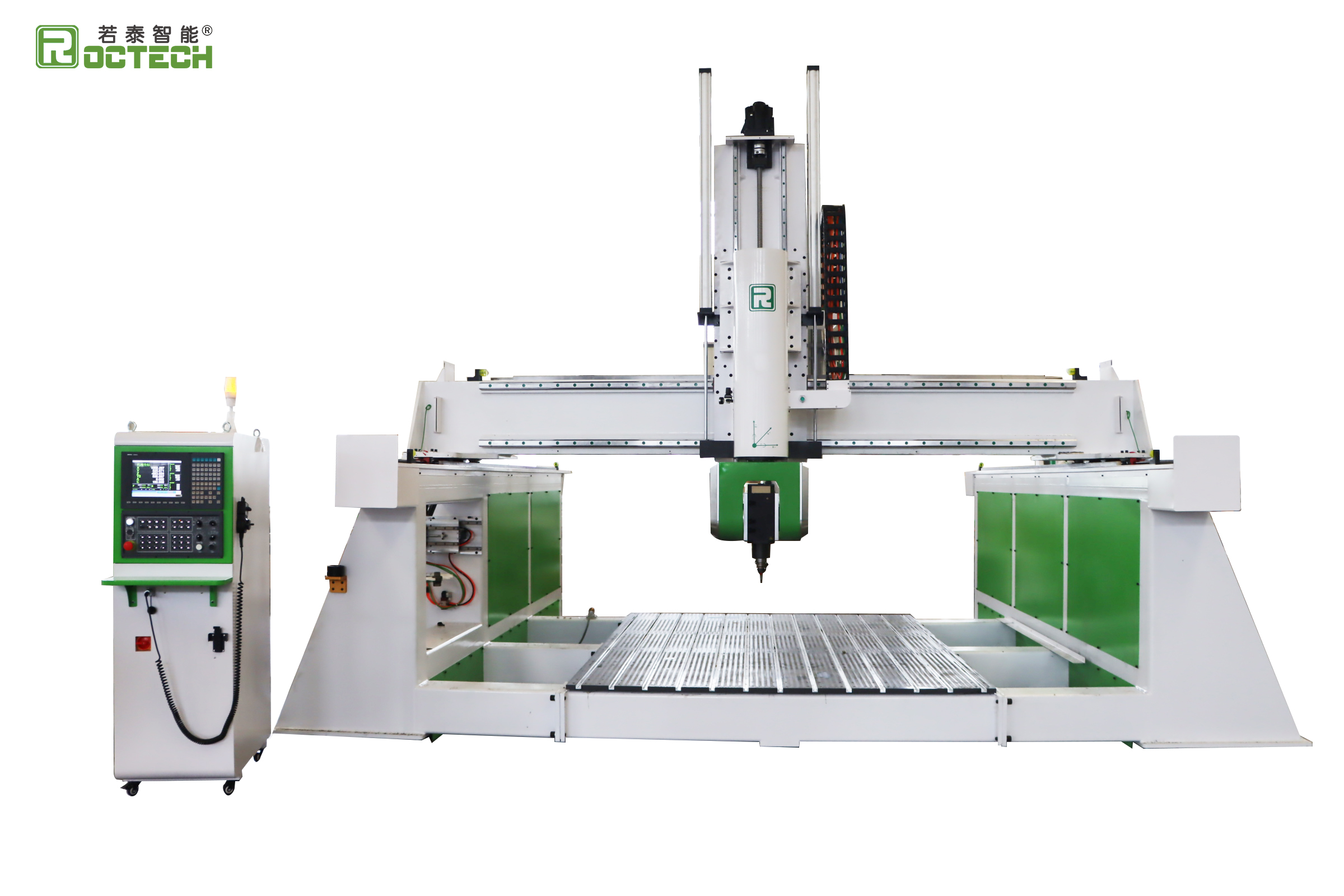
| 5-axis Machining Center (e.g., RCF1325) | 10.0 | 30,000 | Enclosed cabin, door interlock, ATC safety latch, tool breakage detection | ≥ 2.5 |
The data indicate that as machine complexity and power increase, so does the sophistication of required safety systems. Notably, the nesting center category—commonly used in high-volume panel processing—features the most comprehensive interlock configuration, reflecting the higher risk associated with automated material handling.
Safety Protocols and Equipment Design
A robust safety operation procedure for woodworking CNC machinery must be structured around three phases: pre-startup inspection, operational monitoring, and shutdown protocol.
Pre-Startup Inspection
Before any power is applied, the operator should verify that:
- The worktable is clear of debris, loose tools, and remnants from prior jobs.
- The vacuum pump and dust collection system are operational and connected.
- All guard doors and panels are closed and latched.
- The emergency stop button is in the released (pulled out) position.
- Tool clamping is secure, and the collet nut is torqued to specification.
For machines equipped with automatic loading and unloading systems, such as the Roctech Master Series nesting centers, the operator must also confirm that the loading platform is clear and that no personnel are within the robot’s or gantry’s working envelope. These machines typically feature a light curtain or pressure-sensitive mat that triggers an immediate halt if the safety zone is breached.
Operational Monitoring
During automatic processing, the operator should remain at a safe distance—generally no less than 1.5 meters for standard routers and 2.0 meters for nesting centers—and avoid reaching into the machining area. Modern CNC systems, including the Taiwan Syntec controllers used in Roctech equipment, provide real-time spindle load and feed rate feedback on the HMI. A sudden increase in load may indicate tool dulling or material binding, signaling the need for an emergency stop and manual inspection.
One often-overlooked safety practice is the prohibition of wearing gloves when operating rotating equipment. Gloves can become entangled in rotating spindles or chip conveyors, leading to severe hand injuries. Similarly, loose clothing, jewelry, and long hair must be secured before machine startup.
Emergency Response
Every operator must be trained in the location and function of the emergency stop button, which should be clearly marked and accessible from multiple positions around the machine. In Roctech’s ATC engraving machines, for example, emergency stop buttons are mounted on both the control pendant and the machine frame. When pressed, the E-stop immediately cuts power to all servo drives and the spindle, and engages the brake on the Z-axis to prevent the tool from dropping onto
Looking for more information about our CNC machines and services? Contact us today.
Contact