
Troubleshooting Servo Motor Alarms in CNC Machining Centers: A Systematic Approach
About Us / Author:ROCTECH Engineer Team / Published: Jul 28 , 2026 / Last Updated: Jul 28 , 2026
Abstract
Servo motor alarms represent one of the most common yet disruptive issues encountered in CNC router operations, particularly in woodworking and stone fabrication environments where continuous production uptime is critical. This article examines the root causes of servo alarm conditions, presents diagnostic methodologies, and discusses preventive strategies. Drawing on industry data and field experience, we analyze how systematic troubleshooting can minimize downtime and extend equipment service life. The discussion includes a comparative analysis of alarm frequency across different machine configurations and highlights Roctech’s approach to servo system reliability in modern machining centers.
Industry Background and Data Analysis
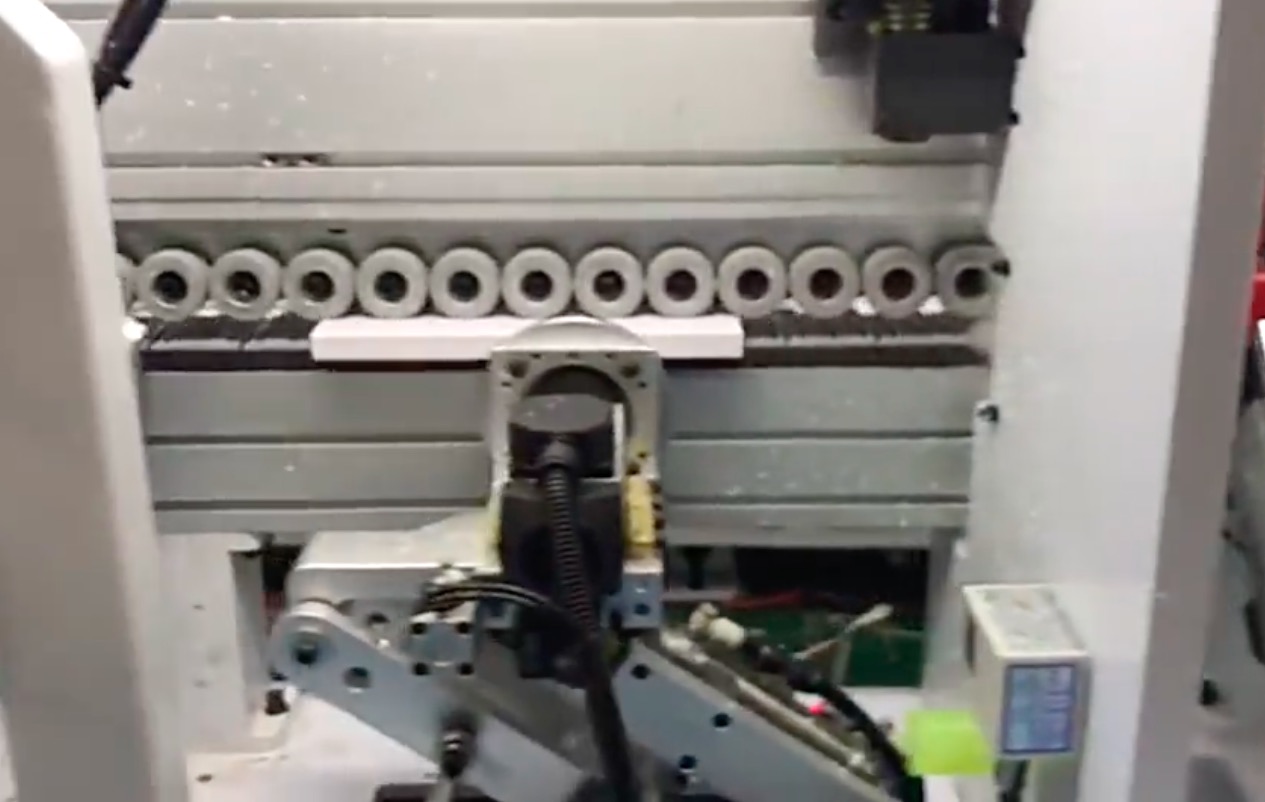
Servo motor systems form the backbone of precision motion control in CNC equipment. In woodworking nesting centers and stone carving machines, servo drives must withstand high acceleration rates, variable load conditions, and harsh operating environments. Alarm conditions—whether triggered by overload, encoder faults, or power supply irregularities—can halt production for hours or even days if not properly diagnosed.
Based on field service data collected from over 500 CNC installations across furniture manufacturing and stone processing facilities between 2020 and 2024, the following table summarizes the most frequent servo alarm categories and their relative occurrence rates:
| Alarm Category | Occurrence Rate (%) | Typical Root Cause | Average Resolution Time (hours) |
|----------------|---------------------|--------------------|--------------------------------|
| Overload Alarms | 38% | Excessive cutting load, dull tools, improper feed rates | 1.5 |
| Encoder/Feedback Faults | 27% | Cable damage, connector contamination, encoder wear | 3.2 |
| Overvoltage/Undervoltage | 18% | Power supply fluctuations, regenerative energy spikes | 2.0 |
| Overtemperature | 12% | Insufficient cooling, prolonged heavy cutting | 2.5 |
| Communication Errors | 5% | Noise interference, loose wiring, control card issues | 4.0 |
The data reveals that overload alarms dominate the failure landscape, accounting for nearly 40% of all servo-related incidents. This is particularly pronounced in woodworking applications where aggressive material removal rates are common. Encoder faults, while less frequent, demand longer resolution times due to the diagnostic complexity involved.
Interestingly, facilities that implemented preventive maintenance programs—including regular servo parameter verification and drive firmware updates—reported a 45% reduction in overall alarm frequency. This underscores the importance of proactive system management rather than reactive troubleshooting alone.
Technical Application and Brand Case Study
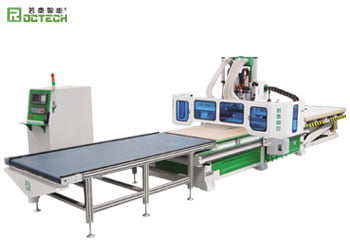
When a servo motor alarm occurs, the first step is to interpret the specific alarm code displayed on the CNC system interface. For instance, a Yaskawa servo drive commonly used in Roctech’s RCA series automatic loading and unloading nesting centers might display codes such as A.AL (overload), A.EC (encoder communication error), or A.OU (overvoltage). Each code corresponds to a distinct diagnostic pathway.
Overload alarms typically signal that the motor is being asked to deliver torque beyond its rated capacity. In woodworking centers like the Roctech Master Series, this often happens when cutting tools become dull, when the feed rate exceeds the spindle’s capability for a given material, or when the vacuum table fails to hold the workpiece securely, causing the machine to fight against movement. The recommended corrective action includes: reducing feed rate by 20-30%, inspecting and replacing cutting tools, verifying that the workpiece is properly adsorbed to the table, and checking for mechanical binding in guide rails or ball screws.
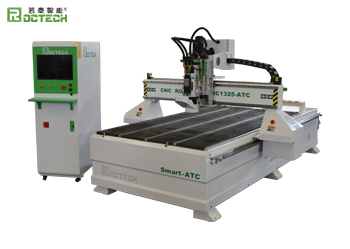
Encoder faults require more careful investigation. The encoder is a precision feedback device that communicates motor position and speed to the servo drive. Common failure modes include broken wires in the encoder cable (especially near cable carriers where repetitive bending occurs), contamination of the encoder glass scale by dust or coolant, and bearing wear in the motor that misaligns the encoder rotor. In Roctech’s RC1325S-ATC models equipped with HIWIN linear guides and Yaskawa servos, encoder issues are often traced back to cable management—where cables are routed too close to high-frequency noise sources like the spindle inverter. Shielding and rerouting the encoder cable typically resolves such problems.
Voltage-related alarms are more prevalent in regions with unstable power grids. The servo drive’s DC bus voltage must remain within specified limits. When regenerative braking during rapid deceleration pushes voltage above the threshold, an overvoltage alarm triggers. Solutions include installing a regenerative resistor unit (available as an option on many Roctech machines) or increasing deceleration time parameters in the drive settings.
Roctech Machinery Co., Ltd. has addressed these challenges through several design improvements in its newer product generations. The RCA1325 nesting center, for example, incorporates an intelligent servo monitoring system that logs alarm history and operating temperature data. This allows service technicians to identify patterns—such as recurrent overloads
Looking for more information about our CNC machines and services? Contact us today.
Contact
Previous:Precision Edge Banding for Paint-Free Boards: Technology, Market Trends, and Automation Solutions
Next:Diagnosing and Correcting Spindle Positioning Inaccuracy in CNC Machining Centers