
Title: Safety Operation Protocols for CNC Engraving Machinery: A Field Perspective
About Us / Author:ROCTECH Engineer Team / Published: Aug 09 , 2026 / Last Updated: Aug 09 , 2026
---
Abstract
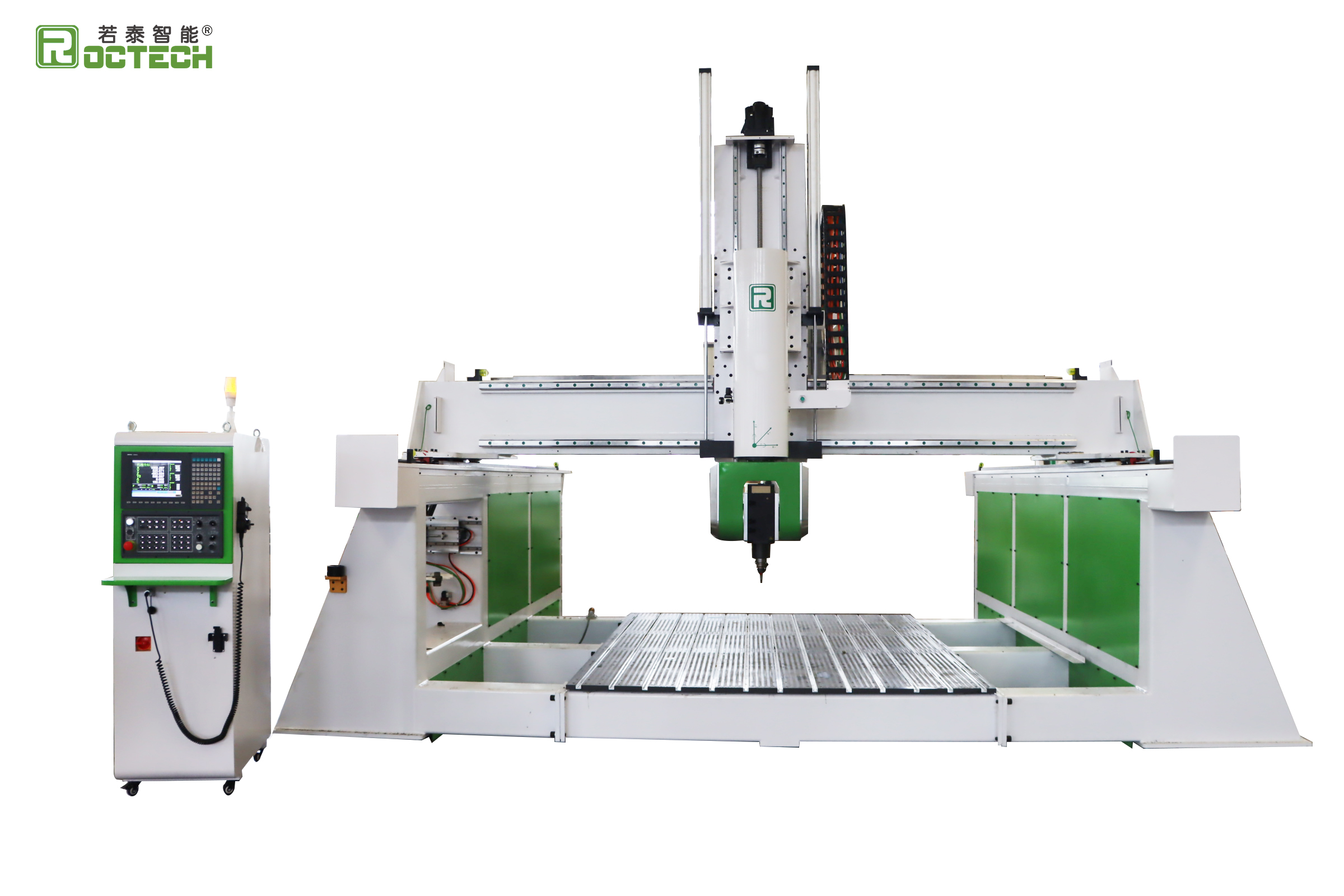
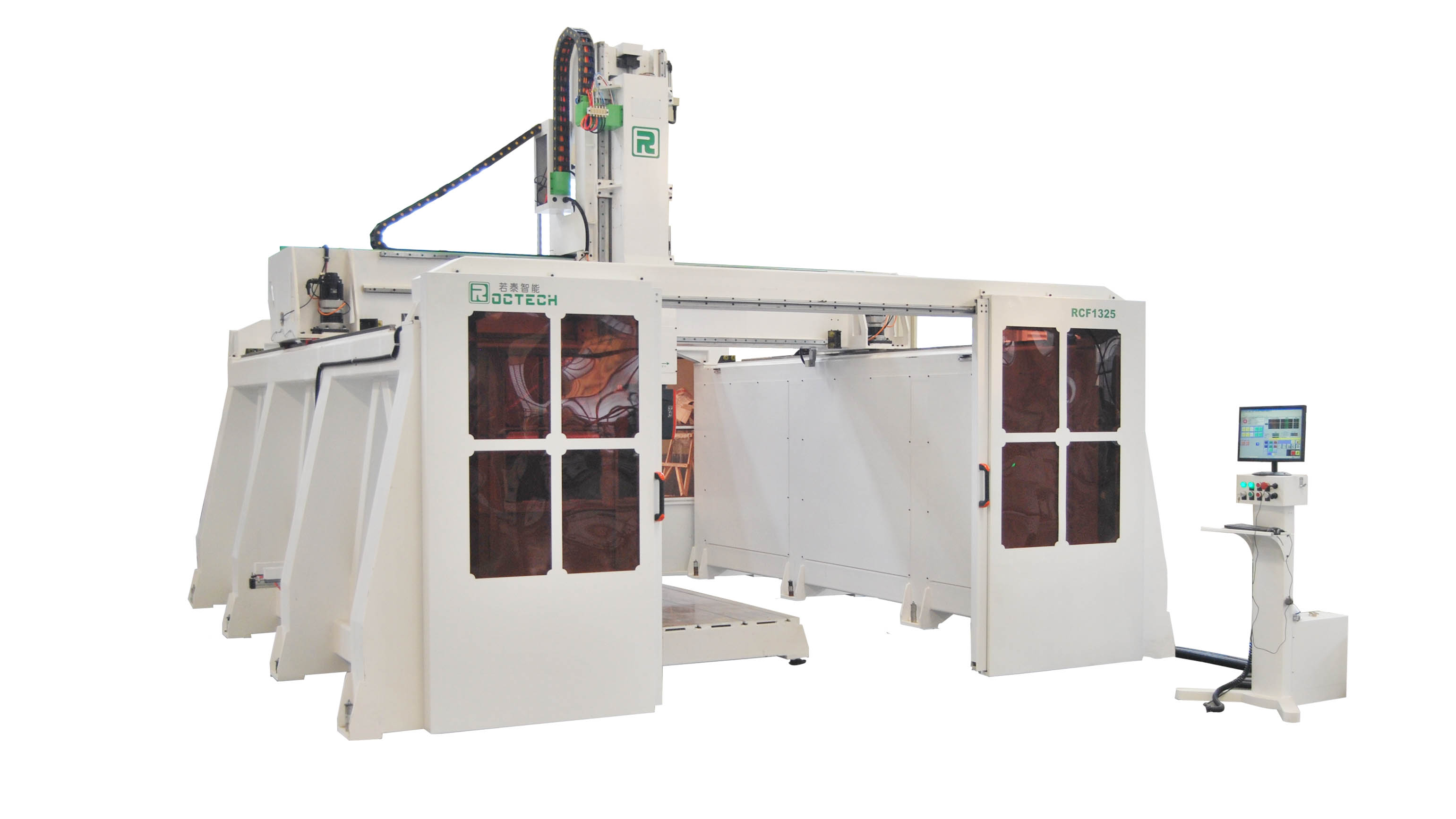
The proliferation of computer numerical control (CNC) engraving and routing equipment across small-scale workshops and large industrial facilities has introduced new operational complexities. While high-speed spindles and multi-axis motion offer significant productivity gains, they also present substantial physical hazards. This article examines the structured safety protocols essential for the safe operation of CNC engraving machines, drawing from established industrial practices, regulatory guidelines, and equipment-specific considerations. Particular attention is given to pre-startup inspection, operational discipline, and maintenance routines, with reference to equipment manufacturers like Roctech, whose product lines exemplify both the capabilities and the requisite safety considerations of modern CNC systems.
---
Introduction: The Nature of the Risk
CNC engraving machines—whether employed for woodworking, non-ferrous metal engraving, or stone carving—operate with spindle speeds frequently exceeding 24,000 RPM. At these velocities, tool failure, workpiece displacement, or material fragmentation can transform a routine operation into a serious injury event. Unlike manual machining, where the operator’s proximity inherently enforces caution, CNC automation creates an illusion of safety through physical separation; the machine moves autonomously, often with rapid traverse rates up to 45,000 mm/min. The hazards, however, remain kinetic and immediate.
Safety in CNC engraving is not a static checklist but an integrated system of engineering controls, administrative procedures, and operator behavior. Below, we outline the operational safety framework based on industry standards (GB 5226.1 for electrical safety, and CE directives for machinery), drawing on both general principles and the specific design features of modern CNC routers.
Pre-Startup Inspection: The First Line of Defense
Before the main power is engaged, a disciplined visual and mechanical inspection is mandatory. This is not a cursory glance but a systematic check. The following areas require verification:
1. Power and Air Supply Integrity: Confirm that the AC supply (typically AC380V/50Hz/three-phase for heavy-duty machines, or AC220V for lighter units) is stable. Fluctuations in voltage can not only damage servo drivers and inverters but also cause erratic behavior during operation—an unpredictable machine is a dangerous machine. Air pressure, if pneumatic clamps or tool changers are used, must be within the specified range (commonly 0.6–0.8 Mpa).
2. Emergency Stop Functionality: The emergency stop (E-stop) button is the final safety barrier. Its function must be tested before each shift. A machine that fails to halt immediately upon E-stop activation is a critical hazard.
3. Worktable and Vacuum System: The worktable, often a vacuum adsorption system on modern machines (e.g., Roctech’s double-layer vacuum tables), must be free of debris, chips, or residual materials. A compromised vacuum seal can lead to workpiece movement under cutting forces, which is a precursor to tool breakage, material ejection, or inaccurate—and potentially dangerous—tool paths.
4. Tool Clamping and Integrity: Tools must be correctly seated in the collet (e.g., ER32), and the collet must be undamaged. A visibly worn or cracked tool is not merely a quality issue; it is a safety issue. Tool failure at operational speeds can eject fragments at high velocity.
5. Cooling and Lubrication Systems: For liquid-cooled spindles, coolant levels and flow rates require verification. Overheating a spindle leads to bearing failure, which can manifest as a catastrophic seizure during cutting. Similarly, the automatic lubrication system for guide rails (e.g., Taiwan HIWIN linear guides) must be functional to prevent mechanical binding.
Operational Discipline: Rules of Engagement
Once the machine is powered on and the homing procedure is complete, the operational phase begins. Here, behavioral protocols are as critical as mechanical safeguards.
No-Compromise Rule: No Hands in the Work Envelope. The most elementary rule—but the most frequently violated—is the prohibition of any body part within the machining area while the spindle is rotating. Even during a paused operation or tool change, the spindle should be at a complete stop and locked out where possible. Operators must use the appropriate tool setters or manual pulse generators (MPGs) for setup, never reaching into the cutting path.
Personal Protective Equipment (PPE). Safety glasses or a face shield are non-negotiable. Hearing protection is advised, given that spindle noise and cutting dynamics often exceed 85 dB. Dust masks or respirators are necessary when processing materials like MDF or stone, which produce fine particulate matter. Gloves are generally prohibited near rotating parts, as they can be drawn into the spindle, but are acceptable for material handling before cutting sequences.
Program Verification and Dry Runs. Before executing a new machining program
Looking for more information about our CNC machines and services? Contact us today.
Contact
Previous:Fiber Laser Cutting Machine Pricing: A Technical Analysis of Cost Factors and Market Positioning