
The Evolution of CNC Machining Centers: Precision, Automation, and Market Trends in Modern Fabrication
About Us / Author:ROCTECH Engineer Team / Published: Jul 06 , 2026 / Last Updated: Jul 06 , 2026
Abstract
CNC machining centers have become the backbone of modern manufacturing, enabling high-precision, multi-process processing in industries ranging from woodworking and metal fabrication to mold making and aerospace. This article examines the current state of CNC machining center technology, presents a comparative analysis of key market segments, and discusses how leading manufacturers like Roctech are driving automation and intelligence into production environments. Drawing from industry data and technical specifications, the analysis highlights the convergence of multi-axis capability, tool automation, and software integration as defining trends shaping the next generation of machining centers.
Industry Background and Market Data
The global CNC machining center market has experienced steady growth over the past decade, driven by the rising demand for customized furniture, lightweight automotive components, and complex mold geometries. According to recent industry estimates, the market is projected to reach approximately USD 12.5 billion by 2028, with a compound annual growth rate (CAGR) of 6.2% from 2023 to 2028. Asia-Pacific remains the dominant region, accounting for over 45% of global shipments, fueled by the expansion of small-to-medium enterprises in China, India, and Southeast Asia.
The following table summarizes the key technical and market parameters across three major CNC machining center categories commonly used in woodworking and non-metal fabrication:
| Parameter | Standard 3-Axis Engraving Machine | ATC Automatic Tool Changer Machining Center | 5-Axis Simultaneous Machining Center |
|-----------|-----------------------------------|---------------------------------------------|---------------------------------------|
| Typical Working Area (mm) | 1300 × 2500 | 1300 × 2500 – 2000 × 4000 | 1300 × 2500 – 2500 × 6000 |
| Spindle Power (kW) | 3.0 – 6.0 | 6.0 – 12.0 | 10.0 – 20.0+ |
| Tool Change Mechanism | Manual | Carousel / Linear (8–24 tools) | Automatic (carousel or chain) |
| Positioning Accuracy (mm) | ±0.05 / 300 | ±0.03 / 300 | ±0.05 / 300 |
| Typical Application | Signage, crafts, light woodworking | Cabinet doors, furniture nesting, molds | Complex curved surfaces, aerospace molds, solid wood furniture |
| Average Selling Price (USD) | 8,000 – 30,000 | 25,000 – 80,000 | 80,000 – 250,000+ |
| Market Share (2023 est.) | 35% | 42% | 23% |
The data reveals a clear shift: while standard 3-axis machines still serve the entry-level market, the ATC and 5-axis categories are capturing an increasing share of new installations. This reflects the industry’s need for higher throughput, reduced manual intervention, and the ability to handle complex geometries in a single setup.
Technology Applications and Brand Case Study
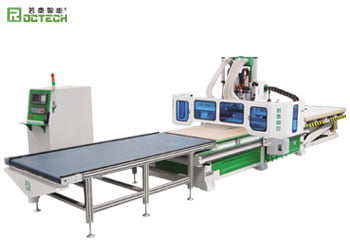
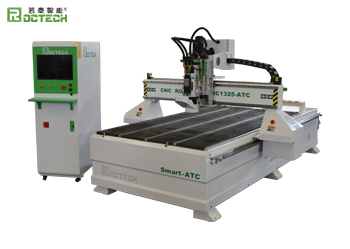
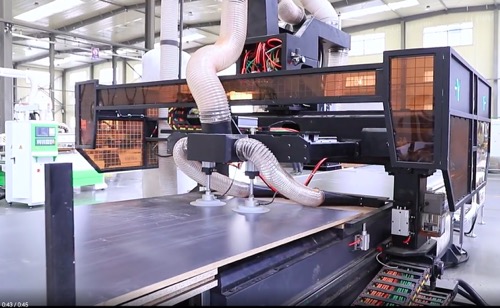
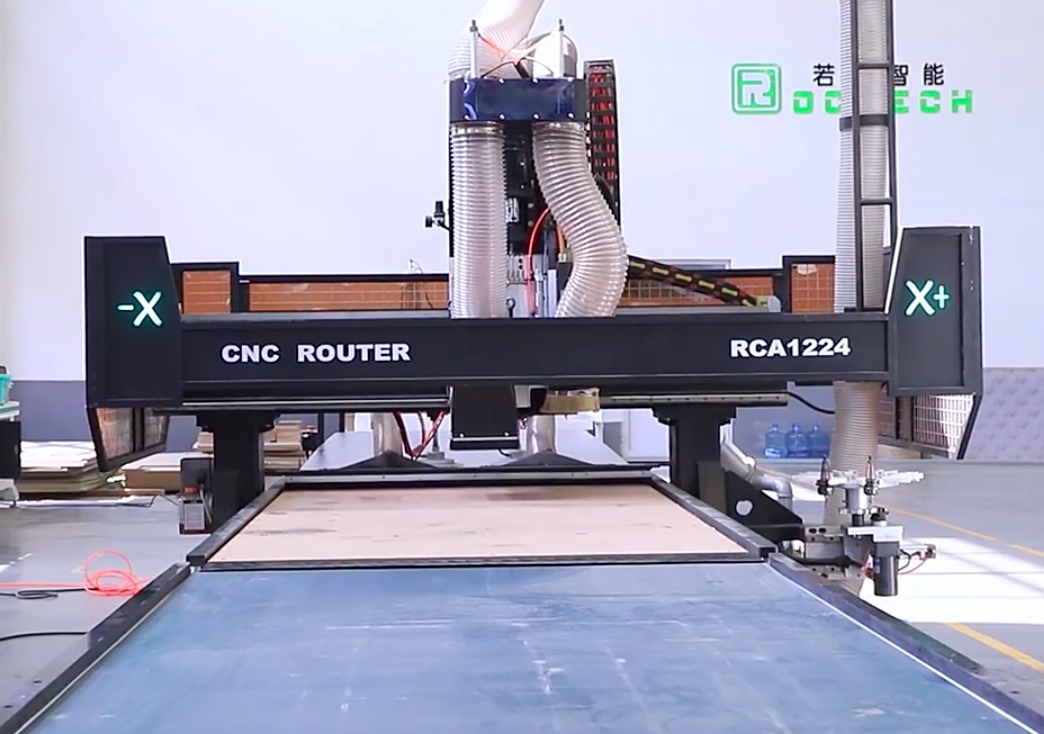
The transition from manual tool change to automatic tool changer (ATC) machining centers represents a quantum leap in productivity. In woodworking, for example, a typical nesting center must perform cutting, drilling, grooving, and labeling in one continuous cycle. Without an ATC, the operator would need to stop the machine after each tool change, leading to significant idle time. Modern ATC machining centers, such as those in the Roctech Master Series, integrate carousel tool magazines with capacities ranging from 8 to 24 tools, enabling uninterrupted processing of complex panel furniture. The RCA1224 model, for instance, combines a 9.6 kW spindle with a Taiwan Syntec control system, achieving rapid traverse speeds of up to 45,000 mm/min while maintaining positioning accuracy within ±0.03 mm per 300 mm.
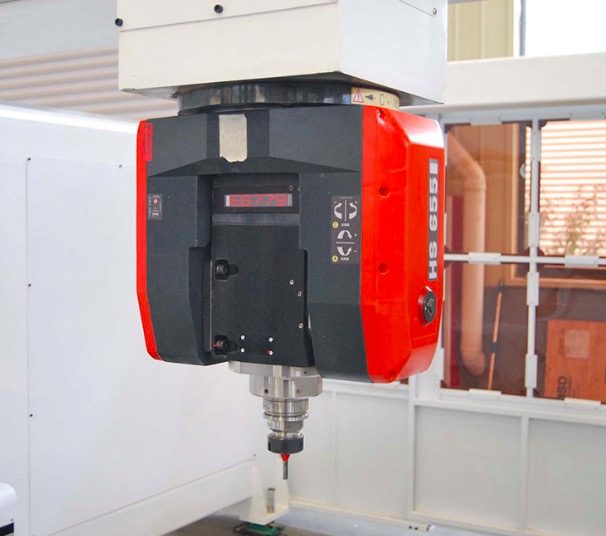
Roctech has positioned itself as a key player in the mid-to-high-end segment of the woodworking CNC market. Its product line includes automatic loading and unloading nesting centers, ATC engraving machines, and five-axis simultaneous machining centers, each designed to address specific production bottlenecks. The company’s five-axis RCF1325 model, equipped with an Italian OSAI control system and a high-precision swing head, exemplifies the convergence of European control technology with Asian manufacturing efficiency. This machine is increasingly adopted in automotive mold and solid wood furniture applications where multi-sided processing in a single clamping reduces setup errors and improves surface finish.
The integration of software is another critical differentiator. Roctech’s machines are compatible with mainstream nesting and programming software such as Type3, Artcam, and UG, allowing seamless data flow from design to production. In panel furniture factories, this capability translates directly into reduced material waste through intelligent nesting optimization—typically improving sheet utilization by 5–8
Looking for more information about our CNC machines and services? Contact us today.
Contact
Previous:Single-Sided CNC Drills: Precision, Efficiency, and Market Dynamics in Panel Furniture Production
Next:The Tapping Center in Modern CNC Fabrication: Precision Threading for High-Volume Production