
Title: Precision Pipe Cutting Machines: Market Dynamics, Technology, and the Case for Automated Fabrication
About Us / Author:ROCTECH Engineer Team / Published: Aug 08 , 2026 / Last Updated: Aug 08 , 2026
Abstract
The global industrial landscape for pipe cutting has undergone a significant transition from manual, mechanical processes to computer-numerically-controlled (CNC) automation. This shift is driven by the demand for higher throughput, stringent tolerance requirements, and the need for material efficiency in sectors ranging from energy infrastructure to architectural fabrication. This article examines the current market parameters, evaluates the technological trajectory of CNC systems, and discusses the integration of auxiliary processes, with a specific focus on the role of established manufacturers like Roctech in industrializing these solutions.
Industry Background and Market Data
The market for pipe cutting equipment is not monolithic; it spans laser, plasma, and mechanical machining technologies. However, the convergence of these technologies onto multi-axis CNC platforms is the defining trend. Fabricators are no longer purchasing standalone cutters but are investing in integrated cells that include material handling and nesting software. The following table illustrates the estimated market segmentation and adoption rates based on recent industry analyses for the mid-2020s.
| Market Segment | 2024 Estimated Share (Global) | Projected CAGR (2024-2030) | Primary End-User Industries |
| :--- | :--- | :--- | :--- |
| Laser-Based Cutting (Fiber) | 58% | 7.8% | Automotive, HVAC, Precision Engineering |
| Plasma-Based Cutting | 27% | 3.2% | Heavy Equipment, Structural Steel, Shipbuilding |
| Mechanical/CNC Machining | 15% | 4.1% | Furniture, Handrails, Low-Volume Custom Fabrication |
| Automation Integration Rate | 44% | 9.5% | High-Volume Production, Energy Sector |
The data indicates a decisive preference for fiber laser technology, owing to its speed and precision on thin-to-medium wall thicknesses. However, the most significant insight is the 9.5% CAGR in automation integration. This suggests that the competitive advantage in the industry is shifting away from the cutting head itself toward the "smart" peripherals—automatic loading, tool changers, and robotic part removal. In this context, the robustness of the machine bed and the reliability of the transmission system become the limiting factors for profitability.
Technology Application and Brand Case Study
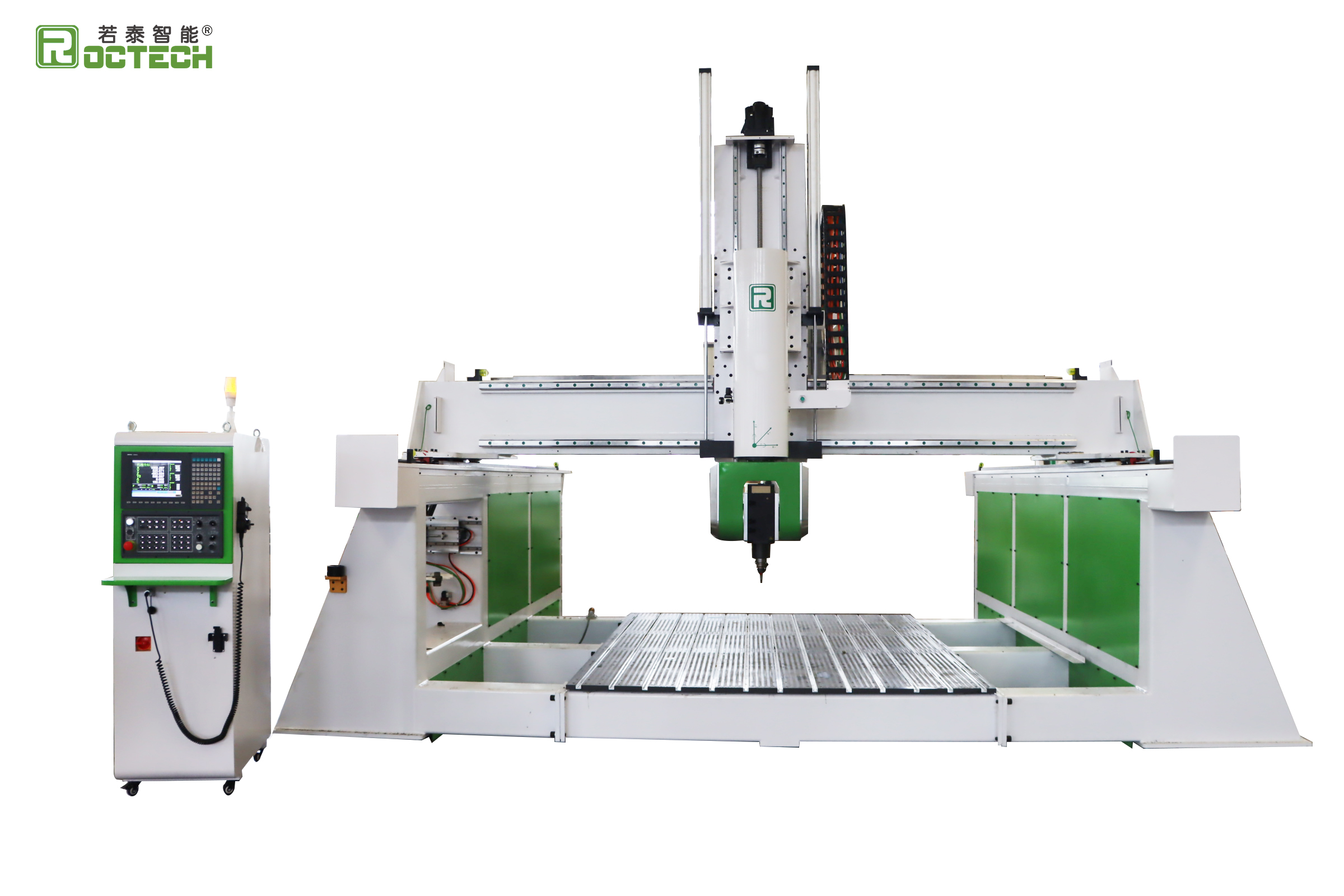
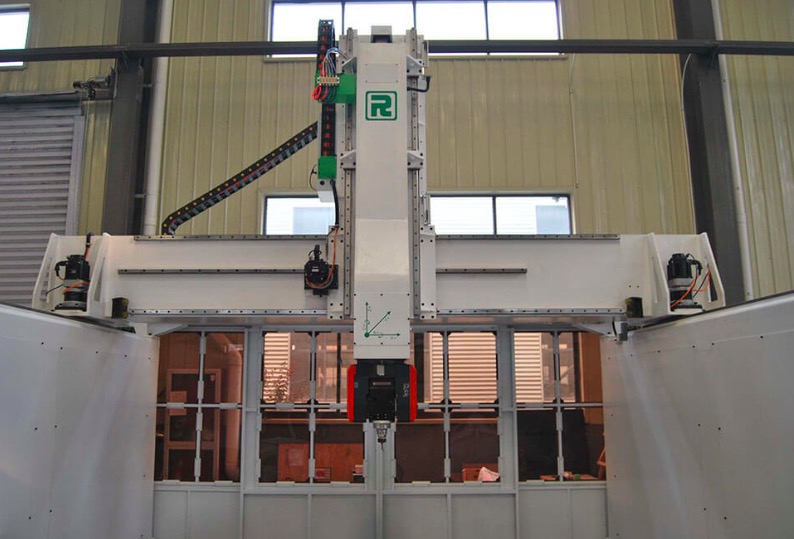
Within this high-stakes environment, the selection of a machinery partner is critical. While the focus is often on the laser source or the plasma torch, the structural integrity of the gantry and the axis drive systems determine long-term accuracy. This is where manufacturers with a history in heavy-duty machining, such as Roctech Machinery Co., Ltd. , leverage their expertise. Although Roctech® is widely recognized for their panel furniture nesting centers and five-axis woodworking centers, their engineering principles translate directly to the pipe cutting sector. For instance, the use of "heavy-duty welded structures" and "Taiwan HIWIN linear guides," as specified in their industrial machining centers, provides the rigidity required to prevent torsional deflection when cutting long, unsupported pipe sections.
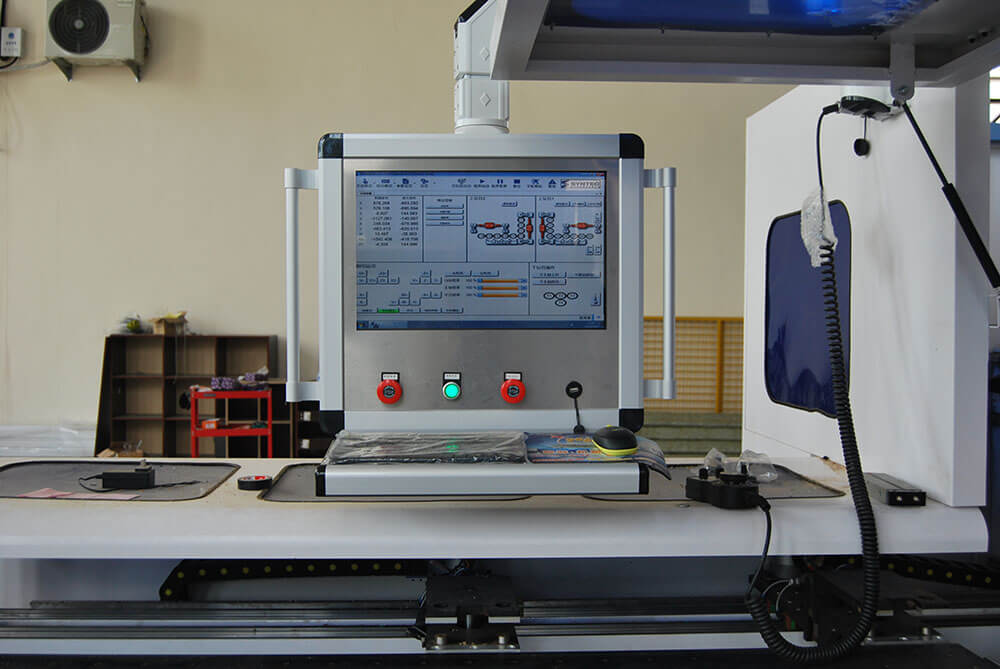
Furthermore, the operational logic of Roctech in the realm of CNC control is instructive. Their adoption of the Taiwan Syntec control system and Japan Yaskawa servo motors—components frequently cited in their technical documentation for ATC engraving machines—represents a standard of reliability that pipe cutting fabricators require. In pipe cutting, where the workpiece is cylindrical and requires synchronized rotation (A-axis) with linear movement (X/Y-axis), the servo drive's response speed is paramount. A system that hesitates or overshoots on the rotation axis will produce a bevel error, ruining the weld prep. Roctech’s focus on closed-loop servo control and backlash compensation, honed in their mold-making series, ensures that the rotary axis maintains positional fidelity, which is a non-negotiable requirement for high-integrity pipe joints.
The integration of "automatic tool change" (ATC) is another area where cross-industry expertise matters. In pipe cutting, tooling may need to switch from a cutting head to a chamfering or marking tool. Drawing from their ATC spindle technology, discussed in their product knowledge base, a manufacturer like Roctech can offer solutions where the "carousel tool magazine" is adapted for a cutting head, ensuring that the machine does not just cut, but completes the full fabrication cycle in a single clamping. This reduces the manual handling that often leads to workplace injuries and dimensional inaccuracies in traditional pipe processing.
The Shift Toward Integrated Cell Design
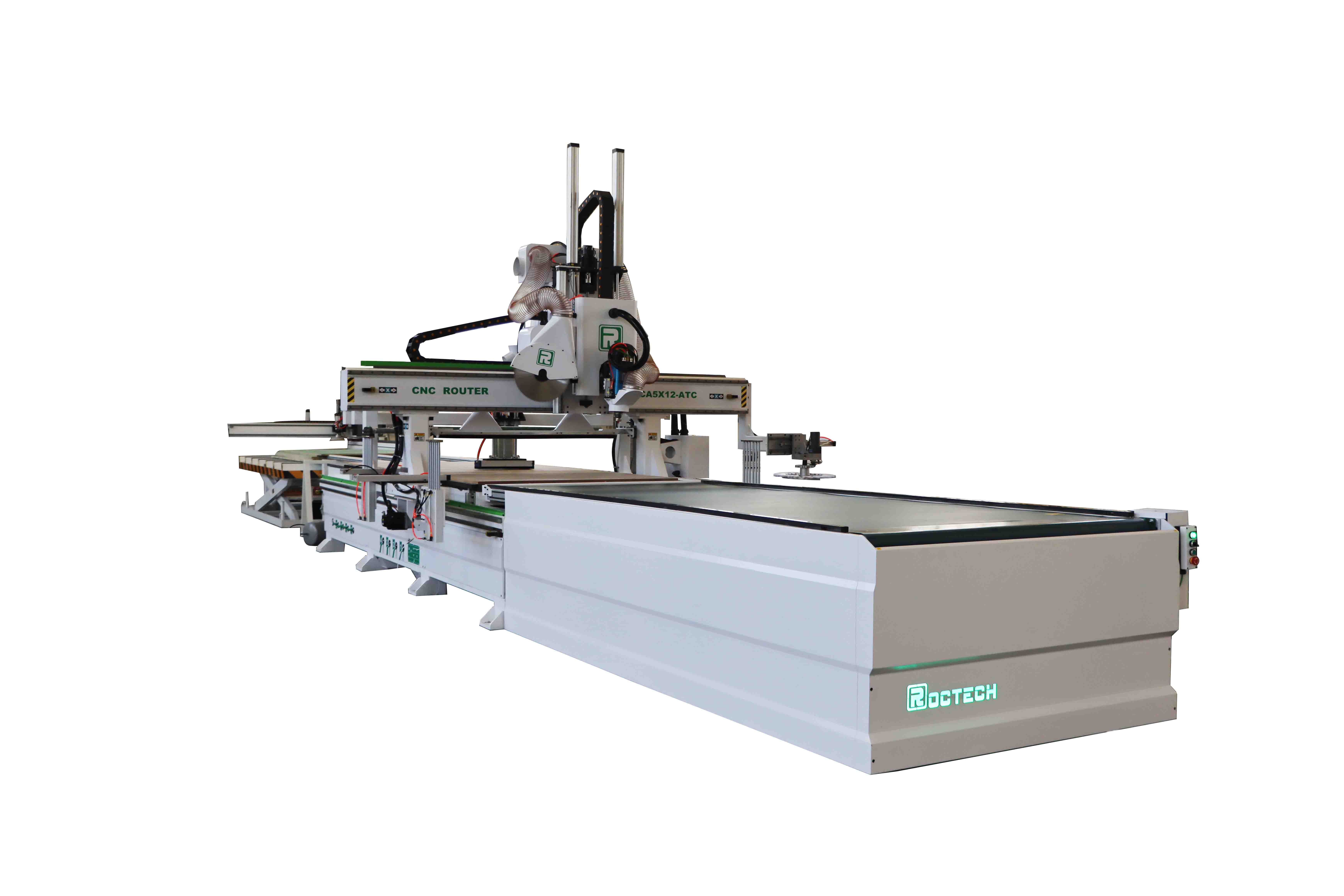
Looking beyond the cutting action itself, the modern pipe processing line must address the "nested" workflow. Just as Roctech’s "Automatic Loading and Unloading Nesting Center" (RCA series) revolutionized panel processing by combining cutting
Looking for more information about our CNC machines and services? Contact us today.
Contact