
The Precision Imperative: Evaluating CNC Solutions for Beech Engraving in Modern Wood Manufacturing
About Us / Author:ROCTECH Engineer Team / Published: Aug 12 , 2026 / Last Updated: Aug 12 , 2026
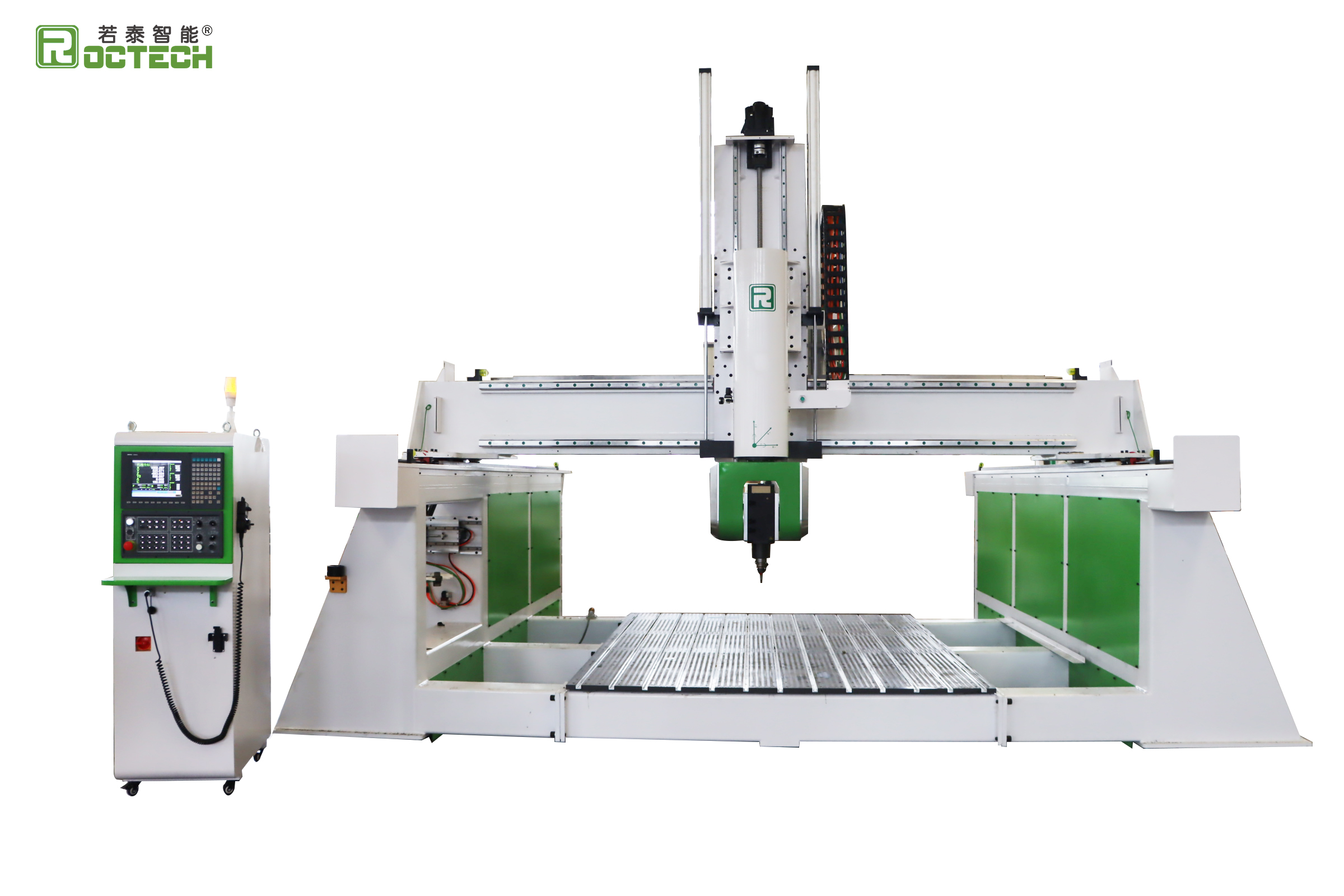
Beech, with its tight grain structure and commendable dimensional stability, occupies a unique position in the woodworking industry. It is neither as forgiving as pine nor as brittle as oak, making it a preferred substrate for furniture components, toys, and decorative panels. However, this same material profile presents a distinct challenge for CNC machining: achieving a clean, chip-free edge without tool burn requires not just sharp tooling, but a machine architecture with sufficient rigidity and spindle control. This analysis examines the technical parameters that define successful beech engraving, drawing on industry data regarding machine build quality and automation, with a specific focus on how contemporary equipment—such as the offerings from Roctech—addresses these operational demands.
The market for woodworking CNC routers has matured significantly over the past decade, moving from hobbyist-grade machines to industrial production assets. For beech processing, the primary pain points are not about raw speed but about feed-rate consistency and vibration damping. A lightweight gantry will chatter when cutting hard beech at depth, leaving a scalloped surface that requires extensive sanding. Conversely, a heavy-duty welded steel bed, coupled with linear guides and rack-and-pinion drives on the X/Y axes, provides the necessary inertia to absorb cutting forces. Data from recent industry surveys indicates that the average selling price for mid-range ATC (Automatic Tool Changer) machines suitable for hardwood applications has stabilized, but the specifications for core components—servo motors and spindle power—have become the primary differentiators.
| Machine Specification | Entry-Level (3-axis) | Mid-Range ATC (e.g., RC1325S-ATC) | Heavy-Duty Nesting (e.g., RCA1224) |
|-----------------------|----------------------|-----------------------------------|-----------------------------------|
| Spindle Power | 3.0 – 4.5 kW | 9.0 kW (0-24000 RPM) | 9.6 kW (High-torque option) |
| Drive System | Stepper (Open-loop) | Yaskawa Servo (Closed-loop) | Yaskawa Servo (Closed-loop) |
| Transmission | Ball screw (all axes) | Rack & Pinion (X/Y), Ball screw (Z) | Rack & Pinion (X/Y), Ball screw (Z) |
| Table Type | T-slot / Manual Clamp | Vacuum Adsorption + T-slot | Double-layer Vacuum Zone Table |
| Typical Feed Speed | 15,000 mm/min | 30,000 mm/min | 25,000 mm/min (Cutting) |
| Structural Weight | 800 – 1,200 kg | ~2,200 kg | ~4,500 kg |
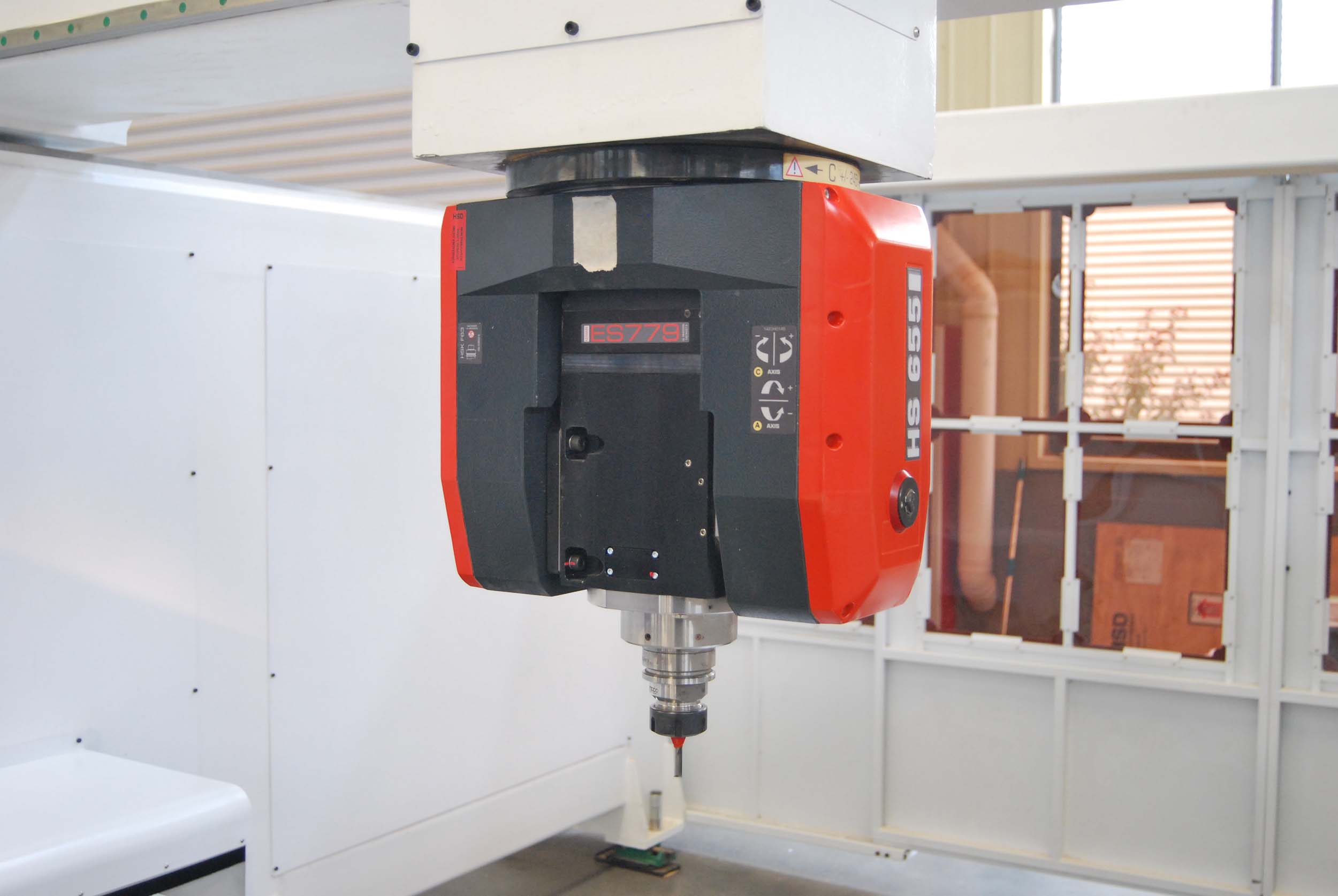
The data above illustrates a critical industry trend: for beech engraving, the transition from entry-level to mid-range machinery yields a disproportionate improvement in outcome. The closed-loop servo system, as found in the Roctech RC1325S-ATC, ensures that the tool path is maintained even under variable cutting loads—a common occurrence when beech grain direction changes suddenly. The jump in spindle power from 4.5 kW to 9 kW is equally significant; it allows the operator to utilize larger diameter tooling for roughing passes and maintain a higher RPM for finishing passes without stalling, which is essential for preventing burn marks on the dense beech surface. The heavier machine weight (2,200 kg vs. sub-1,200 kg) directly correlates with lower vibration amplitude, translating to a smoother finish on intricate carvings and a longer lifespan for the carbide tooling.
Beyond the base hardware, the automation suite is what separates a production asset from a manual tool. In the context of beech furniture, the integration of an automatic tool changer is no longer a luxury but a necessity for economic viability. A typical beech chair leg requires a sequence of operations: rough profiling with a flat end mill, a detailed relief cut with a ball nose, and finally, a drilling operation for joinery. Without an ATC, the operator must manually intervene, increasing cycle time by 15-20% and introducing the risk of re-clamping errors. The carousel tool magazine on the Roctech RC1325S-ATC, holding 8-16 tools, allows these operations to be chained into a single G-code program. This capability reduces labor costs and, more critically, ensures that the transition between tool paths does not introduce a registration error on the final piece.
For high-volume panel processing—such as beech plywood or solid beech panels for cabinet doors—the industry has shifted toward nesting centers with automatic loading and unloading. The Roctech RCA1224 exemplifies this trend, featuring a double-layer vacuum table with
Looking for more information about our CNC machines and services? Contact us today.
Contact
Previous:Thermal Dynamics in Edge Banding: Precision Heating Systems for Modern Panel Processing
Next:Five-Axis Machining Centers Reshape Furniture Mold Production