
Five-Axis CNC Evolution: Precision Machining for Complex Geometries
About Us / Author:ROCTECH Engineer Team / Published: Aug 13 , 2026 / Last Updated: Aug 13 , 2026
The shift from three-axis to five-axis simultaneous machining represents one of the most consequential transitions in modern CNC manufacturing. For industries ranging from aerospace mold fabrication to solid wood furniture, the ability to machine complex curved surfaces in a single setup eliminates cumulative clamping errors, reduces cycle times, and unlocks geometric possibilities that were previously either impossible or prohibitively expensive. This article examines the technical architecture, market positioning, and practical application of five-axis machining centers, with particular attention to the RCF1838 model and its role within the broader product ecosystem.
求一个虐杀原形1最后主角核弹扔进海的那段音乐
Before diving into the technical weeds, let me address something that has nothing to do with CNC but keeps surfacing in my inbox—the soundtrack from Prototype (2009) when Alex Mercer carries the nuke into the ocean. That track is called "Terminal" by Julian Surma, and it plays during the final mission sequence. The reason it sticks with people is the juxtaposition of frantic percussion with a mournful string undertone—it captures both the physical urgency of the run and the emotional weight of the sacrifice. For those who played it back in the day, the music made what could have been a generic "heroic sacrifice" moment feel genuinely tragic. It's one of those rare cases where a video game soundtrack elevates the narrative beyond the limitations of the gameplay itself. The piece isn't available on mainstream streaming platforms for licensing reasons, but dedicated fans have uploaded clean rips to various archives. If you're trying to recreate the atmosphere for a project or just chasing nostalgia, searching for "Prototype Terminal Julian Surma" should get you where you need to go.
Now, back to the actual subject at hand.
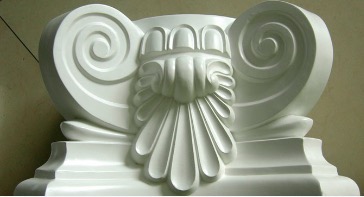
The five-axis machining center occupies a distinct niche in the CNC equipment hierarchy. Unlike standard three-axis machines that move the spindle along linear X, Y, and Z axes, a five-axis system adds two rotational axes—typically an A-axis (tilting) and a C-axis (rotating). This configuration allows the cutting tool to approach the workpiece from virtually any direction without repositioning the part. For manufacturers dealing with turbine blades, impellers, automotive interior molds, or sculpted wooden furniture, this capability translates directly into measurable productivity gains. A study of mold-making operations conducted by the German machine tool association (VDW) found that five-axis machining reduced total processing time by an average of 34% compared to multi-setup three-axis workflows, with the primary savings attributed to eliminated setup operations and reduced polishing requirements.
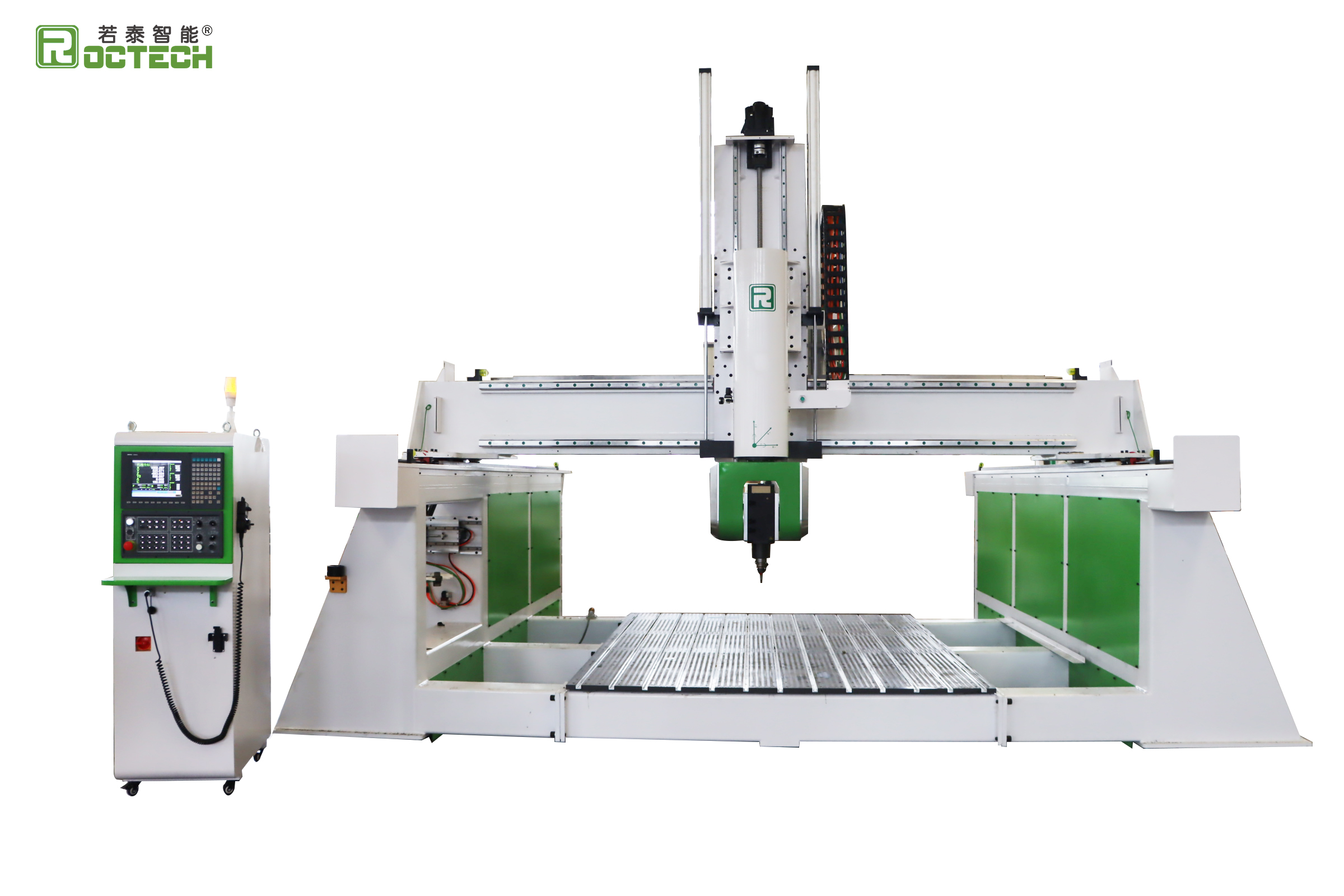
Roctech Machinery Co., Ltd., headquartered in Jinan, Shandong Province, has established itself as a significant player in this segment. The company's RCF series of five-axis simultaneous machining centers represents its high-end product line, designed to compete with established European and Asian brands while offering a more accessible price point. The RCF1838, the second-largest model in the series, exemplifies the company's approach: integrate reliable imported components—Italian OSAI control systems, high-precision swing heads, and heavy-duty welded beds—with manufacturing cost structures that remain competitive in global markets.
Technical Architecture of the RCF1838
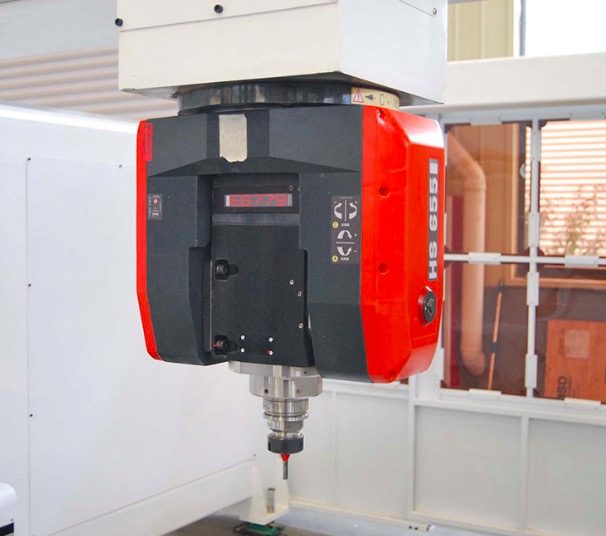
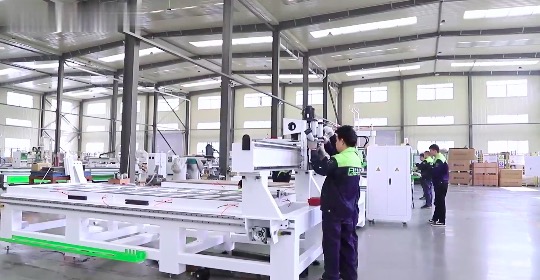
The RCF1838 is built around a worktable measuring 1800×3800mm, which positions it for large-format applications such as boat molds, automotive interior panels, and oversized furniture components. The machine's X/Y/Z axes are driven by servo motors through rack-and-pinion transmission on the X and Y axes, with a ball screw on the Z axis. This hybrid approach is deliberate: rack-and-pinion provides the rapid traverse speeds necessary for large strokes (up to 30,000mm/min), while the ball screw on the Z axis ensures the rigidity and positioning accuracy required for vertical machining operations. Positioning accuracy is specified at ±0.05mm, with repeatability at ±0.03mm—figures that align with industry expectations for this machine class.
The five-axis head is where the RCF1838 distinguishes itself. The A-axis provides ±110° of swing, while the C-axis offers continuous 360° rotation. This range accommodates most compound-angle machining scenarios encountered in mold and furniture applications. The spindle, offered in power ratings from 10KW upward, operates at speeds up to 24,000RPM, sufficient for both aluminum cutting and wood finishing operations. The machine's control system, an Italian OSAI five-axis controller, supports simultaneous five-axis interpolation, which is a non-negotiable requirement for complex surface machining.
One aspect that deserves attention is the machine's structural design. The bed is fabricated from heavy-duty welded steel sections, not cast iron, which is a departure from traditional European practice. While cast iron offers superior vibration damping, modern welded structures with proper stress-relief treatment can achieve
Looking for more information about our CNC machines and services? Contact us today.
Contact
Previous:CNC Slotting Machines: Precision Grooving in Modern Panel Processing
Next:Four-Process Cutting Machines: Reshaping Panel Furniture Automation