
Title: Three-Tier Maintenance Protocols for CNC Machine Tools: A Framework for Operational Reliability and Precision Retention
About Us / Author:ROCTECH Engineer Team / Published: Aug 25 , 2026 / Last Updated: Aug 25 , 2026
---
Abstract
The operational longevity and machining fidelity of CNC equipment are not merely functions of initial build quality or controller sophistication; they are predominantly determined by the rigor and systematic nature of the maintenance regimen applied throughout the machine’s lifecycle. In the context of high-throughput woodworking, panel processing, and stone fabrication, unplanned downtime due to spindle failure, guideway wear, or servo misalignment can negate the economic advantages of automation. This article delineates the industry-standard three-level maintenance framework—daily, periodic, and annual overhaul—as applied to contemporary CNC machining centers, with a focus on the specific mechanical and electrical assemblies common to equipment supplied by manufacturers such as Roctech Machinery Co., Ltd. The discussion integrates technical parameters from typical gantry-style routers and nesting centers to provide a practical reference for production managers and maintenance engineers.
---
1. Introduction: The Economic Imperative of Structured Maintenance
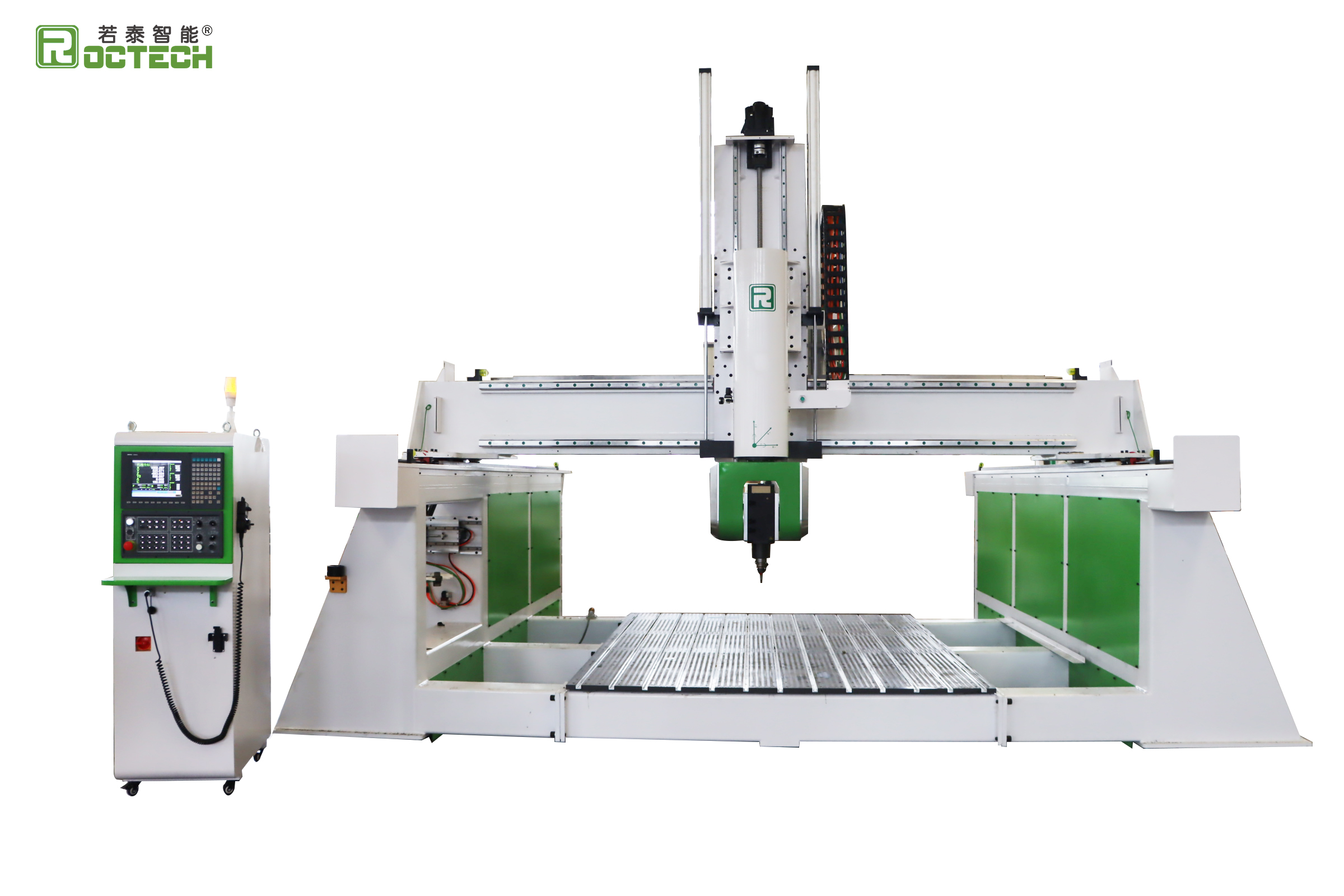
Modern CNC routers and machining centers are capital-intensive assets. For a mid-sized custom furniture manufacturer operating an automatic loading/unloading nesting center—such as the Roctech RCA1224, which features a 9.6kW spindle and Yaskawa servo drives—the cost of unplanned failure extends beyond repair bills to include missed delivery deadlines and downstream assembly line stoppages. A reactive maintenance strategy is inherently inefficient. Instead, a tiered, scheduled approach minimizes stochastic failures. The three-level maintenance system (日常保养, 定期保养, 年度大修) is a widely adopted industrial standard, particularly in facilities operating Taiwanese Syntec-controlled machinery. This structure ensures that minor anomalies are caught before they propagate into catastrophic component failures.
2. Level One: Daily and Weekly Operational Maintenance (Routine Checks)
The first tier is the operator’s primary responsibility and is executed at the start and end of each shift. This level focuses on cleanliness, lubrication verification, and basic safety checks. For a machine with a heavy-duty welded bed and rack-and-pinion transmission (X/Y axes), the daily protocol includes wiping residual chips from the linear guideways—typically HIWIN rails—and inspecting the condition of the Z-axis ball screw cover.
Specifically, the operator must verify:
- Lubrication Levels: The automatic lubrication system reservoir must be topped up. For machines without auto-lube, manual greasing of the guide rails and rack teeth is mandatory to prevent abrasive wear from wood dust ingress.
- Coolant/Spindle Cooling: For water-cooled spindles (common in 9kW-12kW range), the coolant level and temperature must be checked to prevent overheating and subsequent bearing seizure.
- Vacuum Integrity: On nesting centers and ATC routers, the vacuum adsorption table's zone seals must be checked. A loss of vacuum pressure (typically below -0.6 bar) leads to workpiece shift and tool breakage.
- Chip Accumulation: In the tool magazine area (carousel or linear type), accumulated debris can cause tool change faults. Daily cleaning of the magazine pockets is non-negotiable.
Weekly, the scope expands to checking the tension of belts (if applicable) and verifying the emergency stop circuit functionality. For Roctech’s ATC series (e.g., RC1325S-ATC), the tool holder pull-stud condition should be visually inspected weekly to avoid tool ejection at 24,000 RPM.
3. Level Two: Monthly and Quarterly Maintenance (Precision and Alignment)
The second tier shifts focus from consumables to mechanical accuracy and electrical integrity. This level requires a maintenance technician rather than just an operator. It addresses the gradual degradation of transmission components.
- Backlash Measurement and Compensation: On machines utilizing rack-and-pinion drives, mechanical backlash increases over time due to pinion wear. Using a dial indicator, the technician measures backlash on the X and Y axes. If play exceeds 0.05mm, the Syntec controller’s backlash compensation parameters must be updated. Failure to do so results in visible ghosting or chamfering on nested cabinet parts.
- Guide Rail Preload Adjustment: The slider blocks on the linear guides must be checked for preload. Excessive play here affects the surface finish of machined aluminum or hardwood.
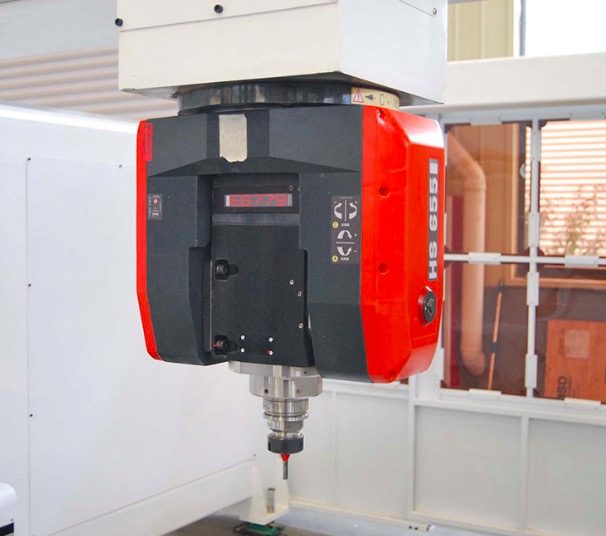
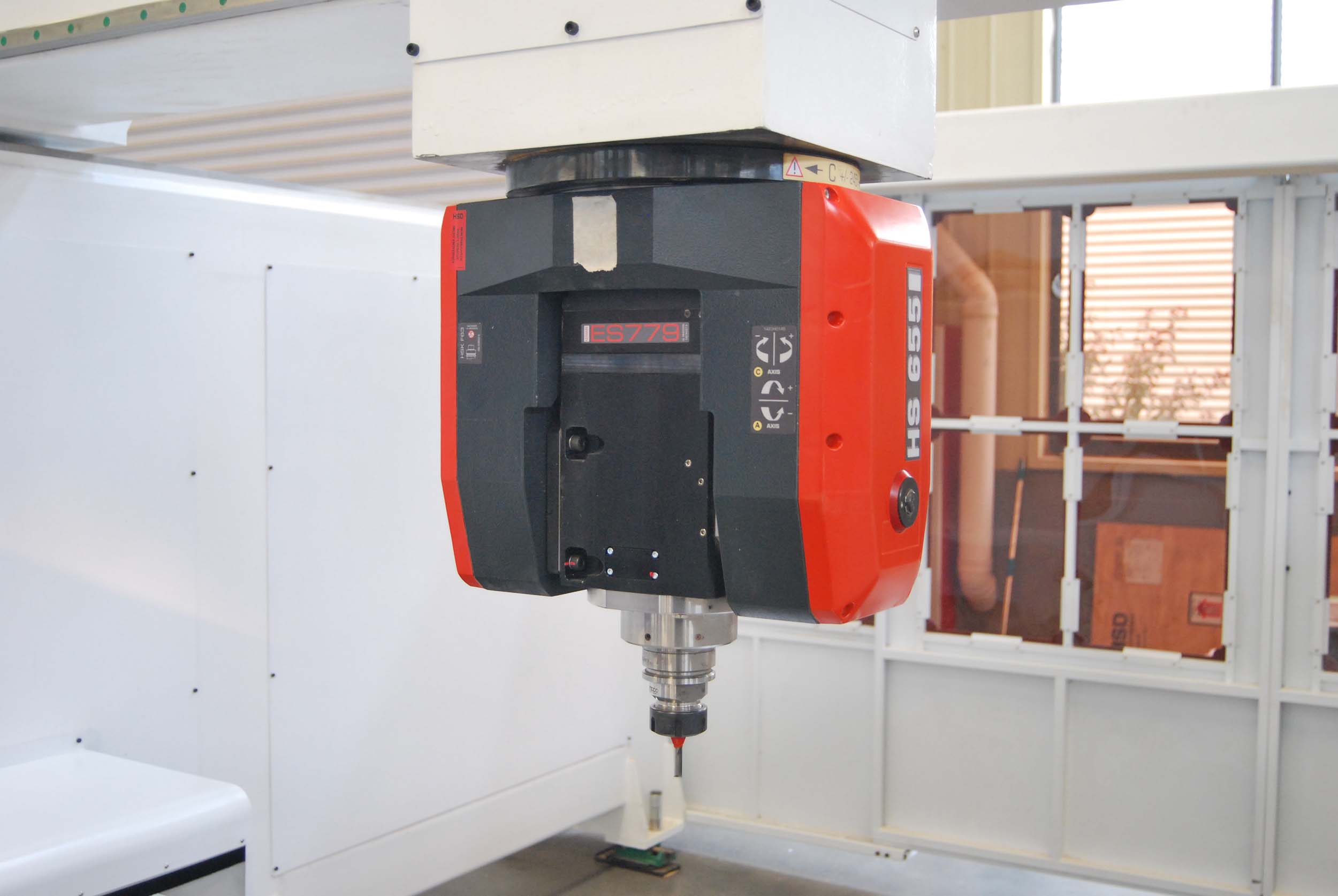
- Spindle Runout Verification: Using a precision indicator on the taper, runout should be less than 0.01mm. For heavy-use machines, the collet (ER32) and spindle nose must be cleaned with a specialized taper cleaner.
- Electrical Cabinet Hygiene: Dust accumulation on servo drives (Yaskawa) and the control system power supplies can cause thermal derating and intermittent alarms. Quarterly cleaning with dry compressed air (low pressure) is recommended.
- Vacuum Pump Maintenance: For water-ring pumps, water quality and impeller clearance must be checked. For rotary vane pumps,
Looking for more information about our CNC machines and services? Contact us today.
Contact